
Blog
The Real Effects of Hard Water on Your Car's Paint Job and How to Prevent Damage

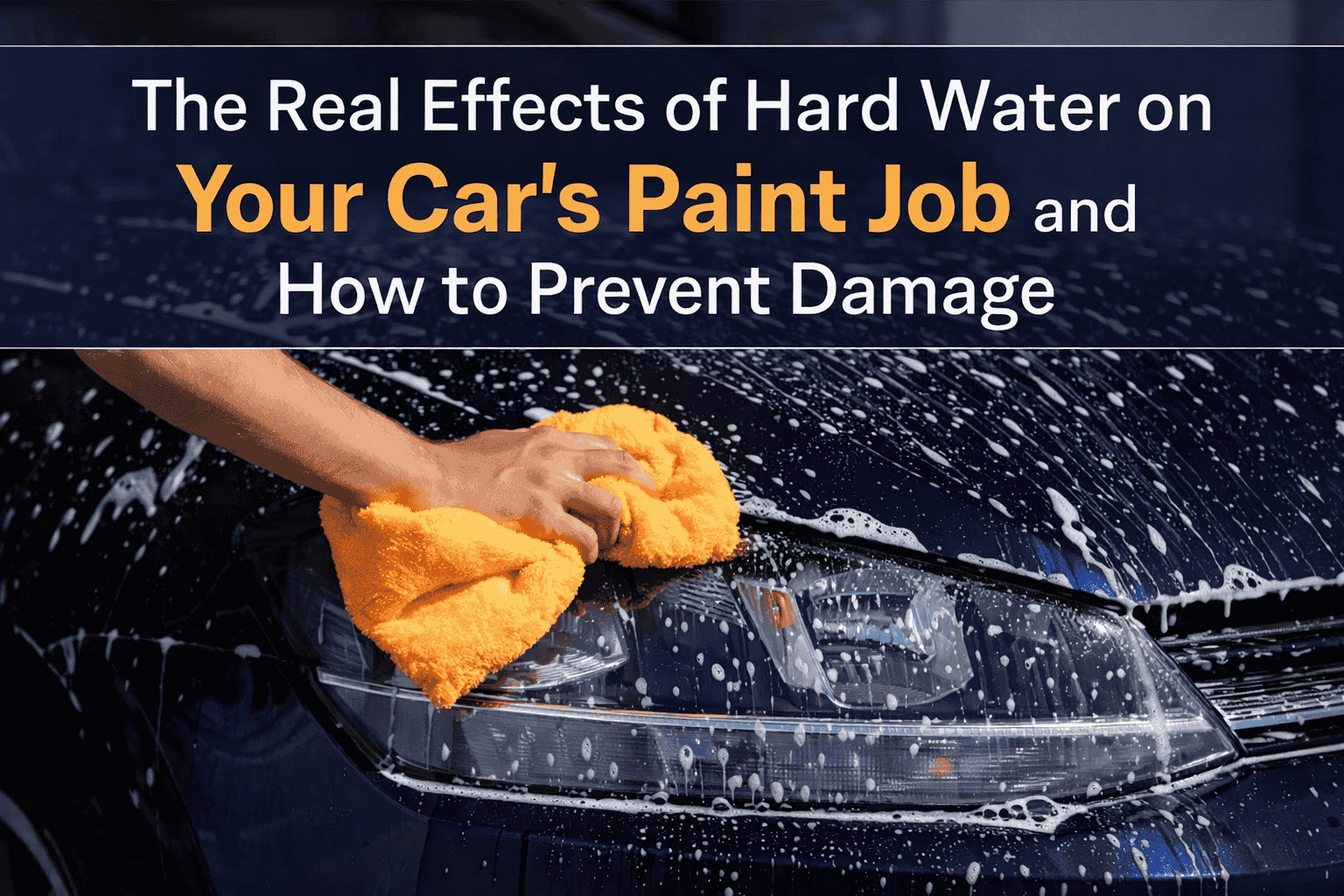
If you're a car owner, you know how great it feels to see your ride with a shiny, new paint job. But sometimes water can damage it, leaving ugly marks that are hard to eliminate. These spots can even cause permanent damage if ignored.
Don't worry; you can remove these stubborn water spots with everyday household products you already have. Plus, you can prevent them from ruining your paint in the future by avoiding using regular tap water to wash your car or by getting a water softener for your home.
Remember, taking care of your car's paint job is essential and easy to do with some know-how.
What exactly is hard water?
Hard water contains high levels of dissolved minerals, particularly calcium and magnesium. Rainwater is generally soft, but as it flows underground, it picks up minerals from the soil and rocks, which makes it hard.
The concentration of minerals in water determines its hardness, which the USGS classifies based on its calcium carbonate content:
- The mineral concentration determines water hardness, which the USGS classifies based on calcium carbonate content: Soft: 0 to 60 mg/L.
- Moderately hard: 61 to 120 mg/L
- Hard: 121 to 180 mg/L
- Very hard: > 180 mg/L
What causes hard water spots on car paint, and what damage can they cause?
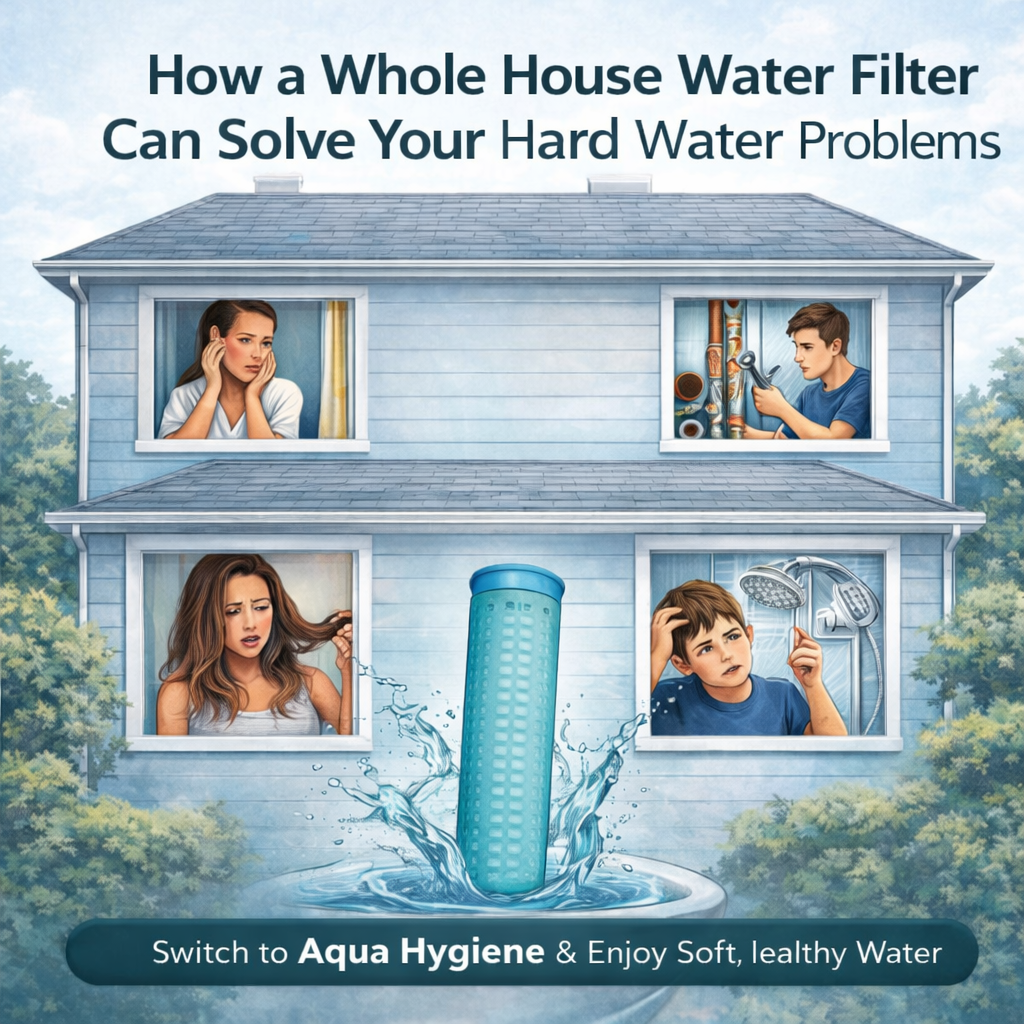
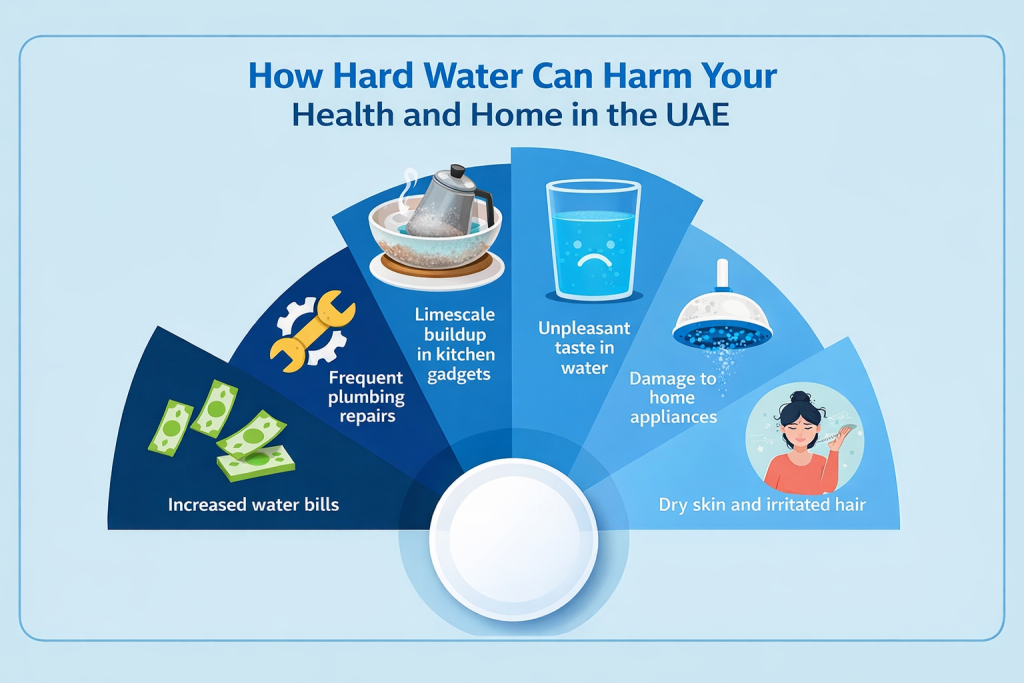
Hard water can negatively affect your home's pipes, appliances, and even your car's paint. The mineral content in unfiltered hard water can corrode surfaces and cause permanent damage to your car's paintwork. To prevent unsightly hard water spots and avoid costly repairs, it is advisable to filter and soften your water. Alternatively, you can use specific soaps and cleaning techniques to safeguard the paint of your beloved vehicle.
Is Your Tap Water Causing Hard Spots on Your Vehicle?
Is hard water causing those spots on your car paint? Check your home for signs like stubborn soap scum, chalky residue around faucets or shower heads, or poor lathering of soaps and shampoos. These indicate hard water, and there are ways to confirm it.
- Do a 'Quick Soap Suds Bottle Test.'
To test for hard water, perform the "Quick Soap Suds Test." Add dish soap and water to a clear bottle, shake for 15 seconds, then fill one-third with tap water and shake again. Cloudy or milky water without suds indicates hard water. Soft water should foam up quickly with clear water at the bottom. Use regular soap like Castile for accurate results.
- Use a DIY hard water test kit or send a water sample to a lab for testing.
DIY water test kits can provide a general idea of water hardness, but certified lab testing is more accurate. It can detect other water issues like bacteria, heavy metals, chemicals, and toxic contaminants.
- Check your water quality report.
Check the latest annual water quality report to estimate water hardness. It contains info on hardness levels in the community water supply. Contact your water supplier for assistance if you need help accessing the report. They can also provide the exact hardness level of the water they deliver to your home.
How to Remove Hard Water Spots from Your Car Paint: A Step-by-Step Guide
Hard water spots can be a nightmare for car owners, but there are several steps you can take to remove them without breaking the bank. Here's a helpful guide to help you remove them:
- Wash and dry the vehicle thoroughly
To start washing your car, park it in the shade early in the morning or evening. You will need a clean bucket of warm, soapy water, a second bucket of rinse water, a soft mitt, a sponge, a hose, and drying towels. Before washing, make sure that the paint surface is in excellent condition. Use the mitt to wash the car, soaking it in soapy water and rinsing it in clean water. Finally, dry the vehicle properly to avoid any hard water residue that could harm the paint.
- Wipe the paint with vinegar
To remove stubborn spots after washing, wipe the paint with a mixture of distilled water and white vinegar (50/50 ratio). This breaks down minerals in the water spots, making them easier to remove. Spray the towel a few times and gently rub it on the areas until they disappear. Finally, clean the area with a quick detailer or wash to remove the vinegar from the paint.
- Use a commercial spot remover
If vinegar doesn't work or you prefer not to use it, try a commercial spot remover for your car. Water spot removers are effective on paint, glass, chrome, and metals. They work best on glossy paint and should be used on something other than flat or matte paint jobs. After washing and drying the car, apply the water spot remover to the affected areas using a foam applicator. Rub the spot remover onto the paint with two or three passes. Finish by wiping away the compound with dry, clean cloths.
- Use a clay bar to remove deposits from the car's surface
Try using a clay bar to remove persistent spots on the car's surface. Wet the paint with a quick detailer and glide the clay bar over the water spots to see if it picks up any mineral deposits.
- Bring out the polisher
If the clay bar is ineffective, try using a polisher. Start by using a polishing pad with polish and make a few passes. If that doesn't work, make a few passes with a cutting pad and a compound. If successful, finish with polish and a polishing pad.
How to Prevent Hard Water Spots on Your Car Paint
You can always find ways to mask the dings, etches, and discolorations hard water can inflict on your car paint, but what sense does that make if you continue to use hard water when washing your car?
Salt Based Water Softener
- Invest in a water softener
Invest in a water softener to prevent water spots on your car. Aqua Hygiene FS1 FutureSoft and SS1 salt-based softeners are good options, with exceptional performance and high flow rates.
- Easier car cleaning
- Longer-lasting car paint
- Increased car resale value
A water softener also provides incredible benefits for your home:
- Less mineral build-up inside pipes, fixtures, and water heaters
- Longer-lasting appliances
- Cleaner, shinier glassware
- Reduced soap films and detergent curds in sinks, bathtubs, and washing machines
- Wash your car with distilled water
No water softener? Prevent water spots on your car by washing it with distilled water. It's mineral-free and available at most grocery stores or home improvement stores. Safe and effective!
- Use a rinseless car wash solution
Prevent water spots on your car by using a rinseless car wash solution. There is no need to rinse with water, so no hard water spots exist. Apply the solution and clean it with a microfiber towel. That's it.
Final Thoughts
Hard water can damage pipes, appliances, hair, skin, and even car paint. Leaving hard water on car paint can mar the finish and cause damage. This article outlines methods to prevent water spots on car paint. Invest in a water softener system for a long-term solution. If not, wash the car with distilled water or use a rinse-less car wash solution. Always dry the car thoroughly after washing it to maintain its appearance. For more information on our high-performance water softeners and preventing hard water spots on car paint, call 800-589-5592 or message us.