

Blog
How to Remove and Prevent Hard Water Stains

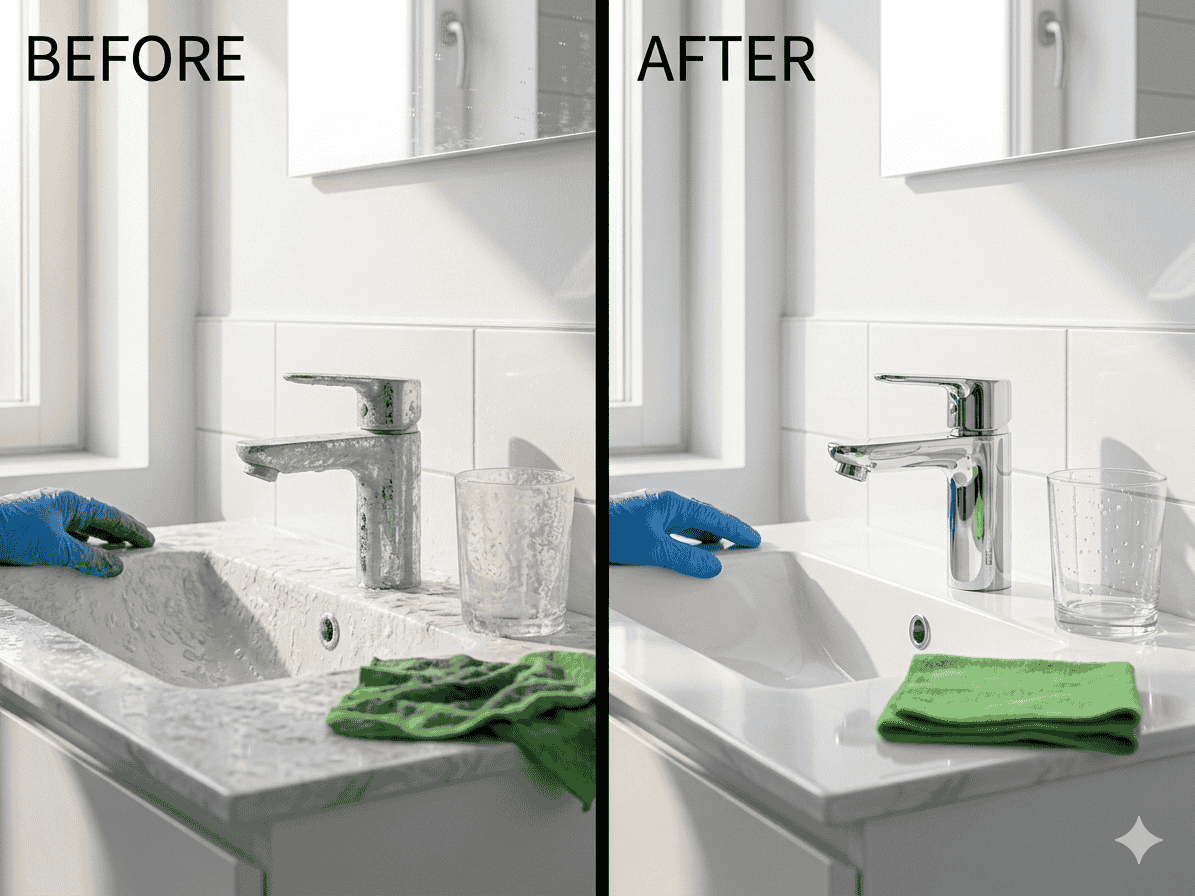
Hard water stains can be a persistent nuisance for homeowners, leaving unsightly marks on glassware, sinks, bathtubs, and other surfaces. These stains are caused by high mineral content in water, such as calcium, magnesium, and iron. If left untreated, they can accumulate and even cause clogs in drains.
However, there are effective methods to remove and prevent hard water stains.
This comprehensive guide will explore practical solutions and preventive measures to help restore your home's shine and cleanliness. From removing stains on glassware to tackling stubborn marks on sinks and bathtubs, we'll provide step-by-step instructions and additional tips for dealing with complex water issues. Following these techniques, you can say goodbye to hard water stains and maintain a sparkling, stain-free living environment.
1. Understanding Hard Water Stains
- Hard water stains are caused by high mineral content (such as iron, calcium, and magnesium).
- The specific minerals in the water determine the color of the stains.
- Homes with healthy water or water sources containing high mineral levels are more susceptible to hard water stains.
Understanding the nature of hard water stains is crucial in effectively addressing and removing them. By recognizing the underlying causes, you can take appropriate measures to tackle these stains and prevent their recurrence.
2. Removing Hard Water Stains from Glassware
Glassware often falls victim to hard water stains, leaving them cloudy and unappealing. To tackle this issue, the article suggests a simple yet effective method. It advises preparing a basin with vinegar and submerging the glassware in it. After a brief soak, the glassware is removed and treated with baking soda, followed by rinsing and drying. This process helps dissolve and remove the mineral deposits, restoring the glassware's clarity.
3. Eliminating Hard Water Stains on Sinks and Bathtubs
Sinks and bathtubs can accumulate hard water stains over time, diminishing their appearance. This section outlines steps to remove these stains effectively. It recommends creating a vinegar and water solution, generously spraying it on the stained areas, and allowing it to sit for 20 minutes. The stains are then scrubbed away using a toothbrush. A water and baking soda paste can also be applied for more stubborn stains. Thorough rinsing ensures a spotless surface.
4. Indications of Hard Water
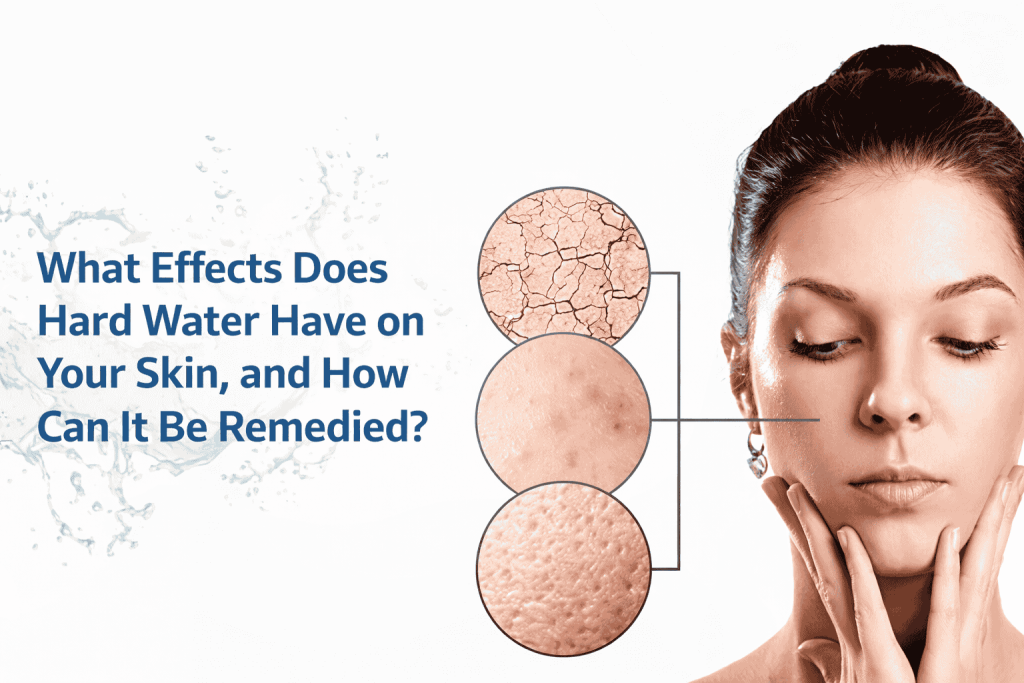
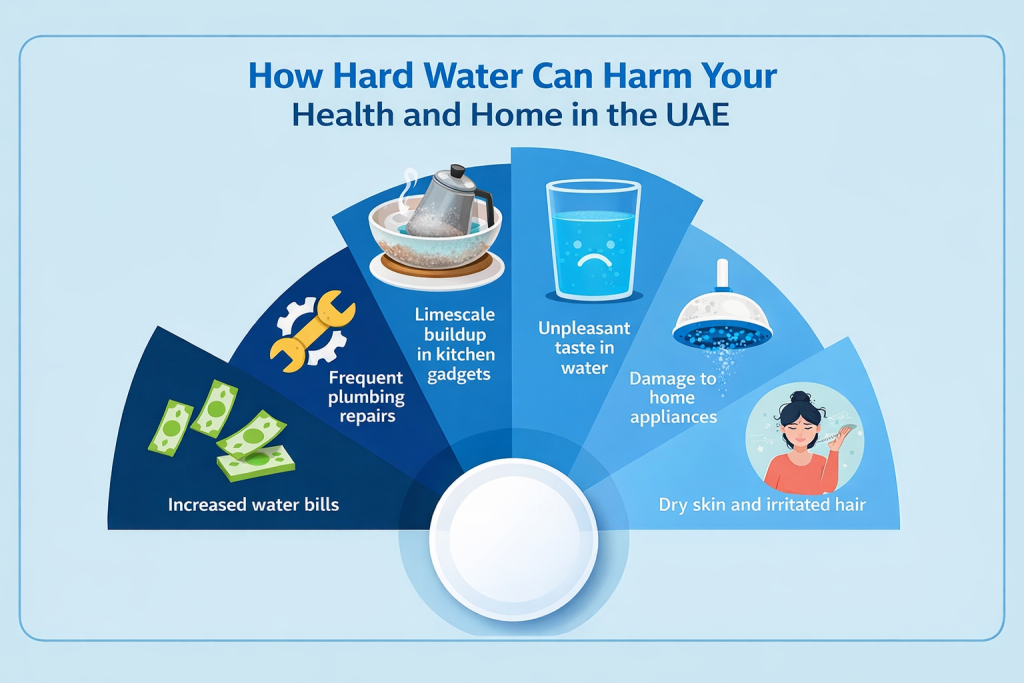
Recognizing the signs of hard water is crucial in addressing the issue. This section highlights common indicators, such as soap scum formation on bathroom surfaces, mineral buildup around faucets, and dryness/itchiness of the skin and hair. Understanding these indications helps homeowners identify the presence of hard water and take appropriate measures to combat it.
5. Preventing Hard Water Stains
Prevention is critical to maintaining a stain-free environment. This section emphasizes the importance of water filtration systems and water softeners. These systems remove minerals from the source water, preventing stains and clogs in plumbing fixtures. By investing in a reliable water filtration system, homeowners can enjoy clean water, protect their appliances, and reduce the time and effort spent cleaning.
6. Additional Tips and Considerations
The article provides supplementary tips for dealing with hard water stains in this section. It suggests using hypoallergenic body wash and shampoo to minimize skin and hair issues caused by hard water. It also mentions the benefits of soft water, which doesn't contain high mineral levels, resulting in better lathering and preserving water pressure. The section highlights the advantages of installing a water filtration system for long-term stain prevention and quality improvement.
7. Dealing with hard water
- Water Filtration Systems: Install a water filtration system that removes minerals from your source water before it enters your pipes. This prevents mineral accumulation and eliminates the formation of stains and clogs in your plumbing fixtures.
- Water Softeners: Consider using water softeners specifically targeting challenging water issues. These systems remove minerals from the water, addressing irritating skin, lifeless hair, slow water heaters, and clogged faucets.
- Benefits of Soft Water: Soft water doesn't contain high levels of minerals, providing several advantages over hard water. It allows for better lathering when using sanitizer to wash hands, maintains water pressure, and protects home appliances due to its low mineral composition.
Conclusion
Dealing with hard water stains can be challenging, but armed with the proper knowledge and techniques, you can effectively remove and prevent them. This comprehensive guide has provided practical solutions for tackling hard water stains on glassware, sinks, bathtubs, and faucets. You can restore the shine and clarity of your surfaces by using vinegar, baking soda, and simple cleaning methods.
Prevention is critical in maintaining a stain-free environment. Investing in a water filtration system or water softener can significantly reduce the mineral content in your water, ensuring cleaner surfaces and protecting your plumbing fixtures and appliances.
By implementing these tips and strategies, you can bid farewell to hard water stains and enjoy a cleaner, more pristine living space. Embrace the benefits of soft water and the peace of mind that comes with knowing your home is free from the frustrations of hard water stains.