
Blog
Say Goodbye to Hard Water Stains with These Time-Tested Techniques

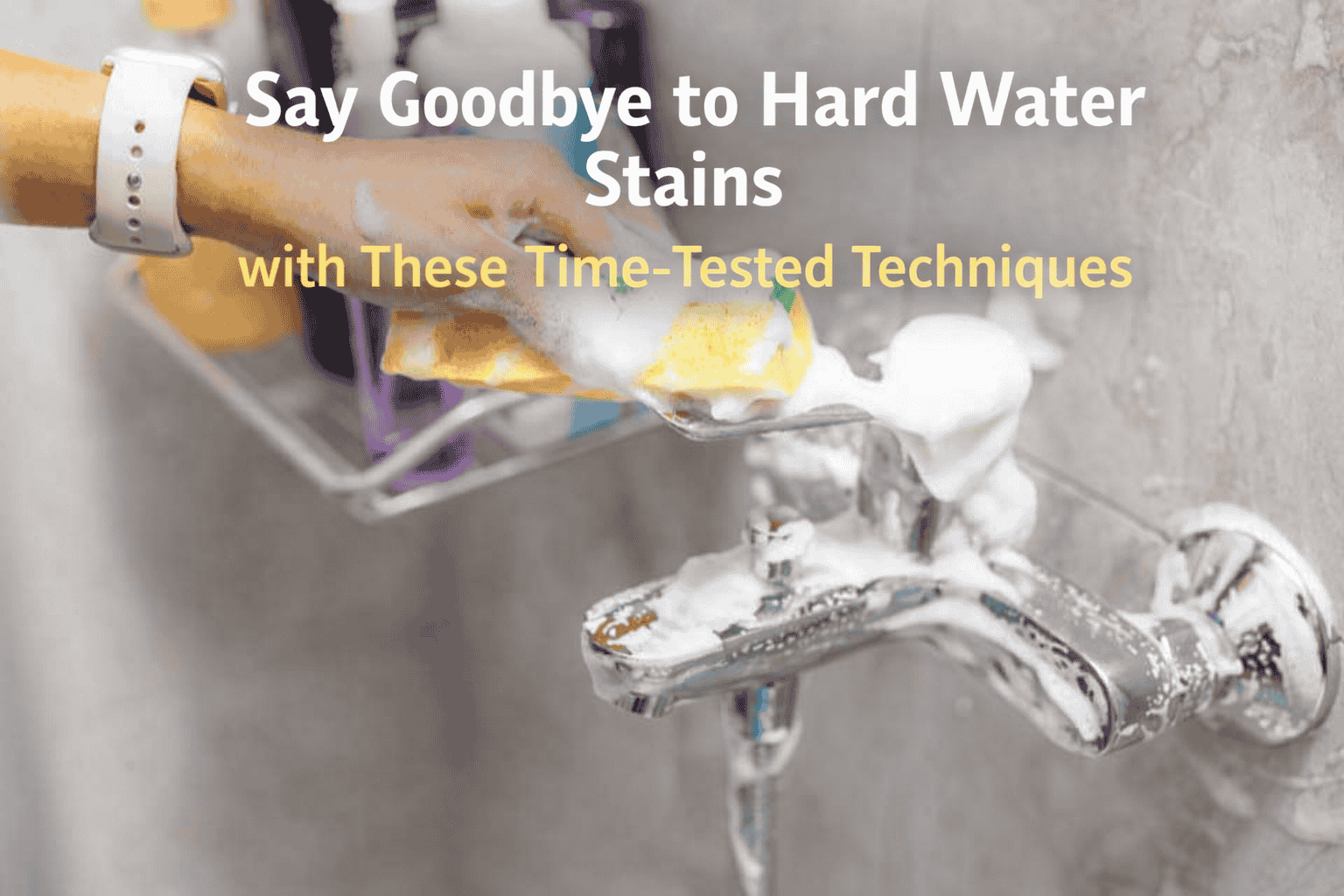
Hard water stains are one of the most common and frustrating problems in any home. These white, chalky marks build up on faucets, showerheads, tiles, and appliances due to mineral deposits left behind by hard water. Over time, they can make surfaces look dirty, dull, and difficult to clean.
Many homeowners struggle with removing hard water stains, especially when they become stubborn and spread across bathrooms and kitchens. From cloudy glass to crusty buildup on taps and shower walls, hard water can damage both the appearance and lifespan of your fixtures.
In this guide, you will learn simple, effective, and time-tested techniques to remove hard water stains and keep your home looking clean and fresh.
What Exactly Is Hard Water?
Hard water is high in minerals, especially calcium, magnesium, manganese, and other elements. Although it is translucent, it has "hardness" due to its high mineral content. When water runs through the soil, minerals are carried into the water, resulting in hard water.
Signs That Your Water Is Hard
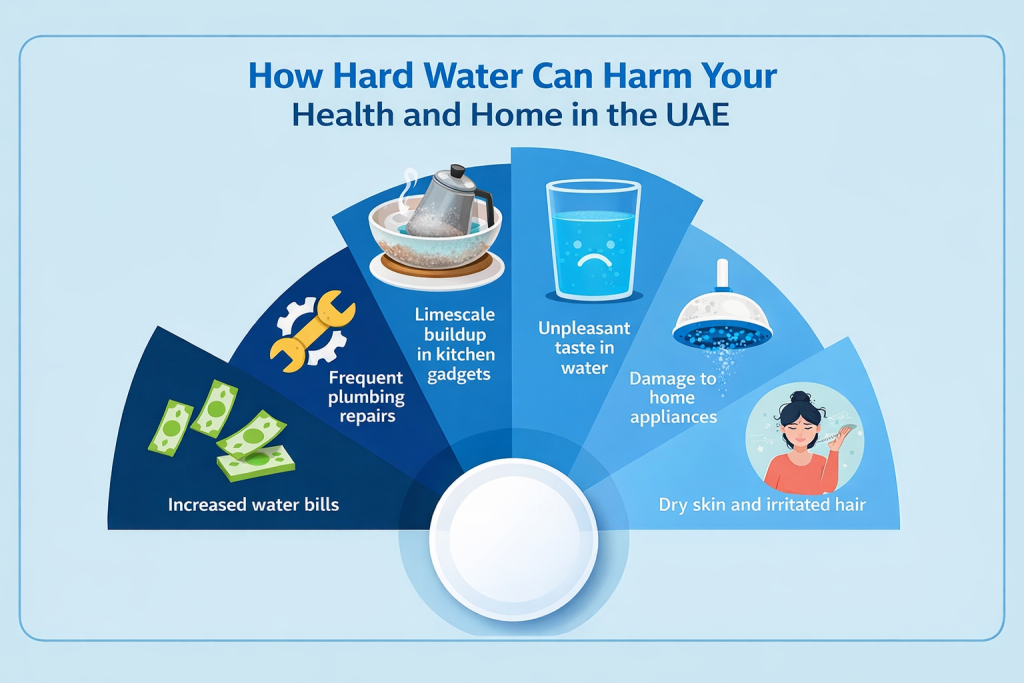
To ascertain whether your water is hard, we need to examine it. Common areas impacted by water damage include laundry, glass counters, surfaces, clothing, skin and hair, kitchenware, plumbing fixtures, and appliances that use water.
- Flavour or Smell Strange: Hard water might taste salty, metallic, dirty, or fishy. Bad taste and/or odor can give teas and drinks an odd flavor.
- Mineral Accumulation Around Water Fixtures: Hard water also causes mineral buildup around faucets and fixtures. Mineral deposits can permanently discolor plated plumbing fixtures. Mineral deposits can eventually cause a chemical shift that permanently stains glass shower doors.
- Strange Spots in your Washbasin or Toilet: Normal mineral water leaves no stains. Your water is likely hard if your washbasin or toilet has reddish-brown stains.
- Bathtub, Shower Curtain/glass Door Soap Scum: For cleaning, soap is made. Combining it with hard water might be messy. Brown, grey, white, or black soap scum on bathtubs and shower curtains/glass doors indicates hard water.
- Hard Water makes it hard to lather even with the most excellent soaps, detergents, and shampoos. How could this be? Water hardness minerals partially deactivate the active ingredient in those products, making soapy lather harder to develop.
- Dishes, Glassware, and Cutlery with Ugly Spots: Do your dishes, glasses, and cutlery have spots? Those indications may indicate a hard water issue in your home. The white spots resemble shower soap scum. Hardness minerals blend with dishwashing detergent. When it happens, minerals stick to dishwashing objects, leaving dishes dirty.
- Harm to Water Heaters and Similar Water-dependent Appliances: Realizing there's no hot water while taking a shower, particularly during cold seasons, can be a hassle. The heating elements of your water heater can be impaired by hard water, causing it to stop functioning.
- Clogged Pipes: Limescale deposits can slow water flow in your pipes. Water pressure will diminish significantly with time. As water flow slows, accumulation accelerates until all pipes are jammed. All pipes must be replaced after that.
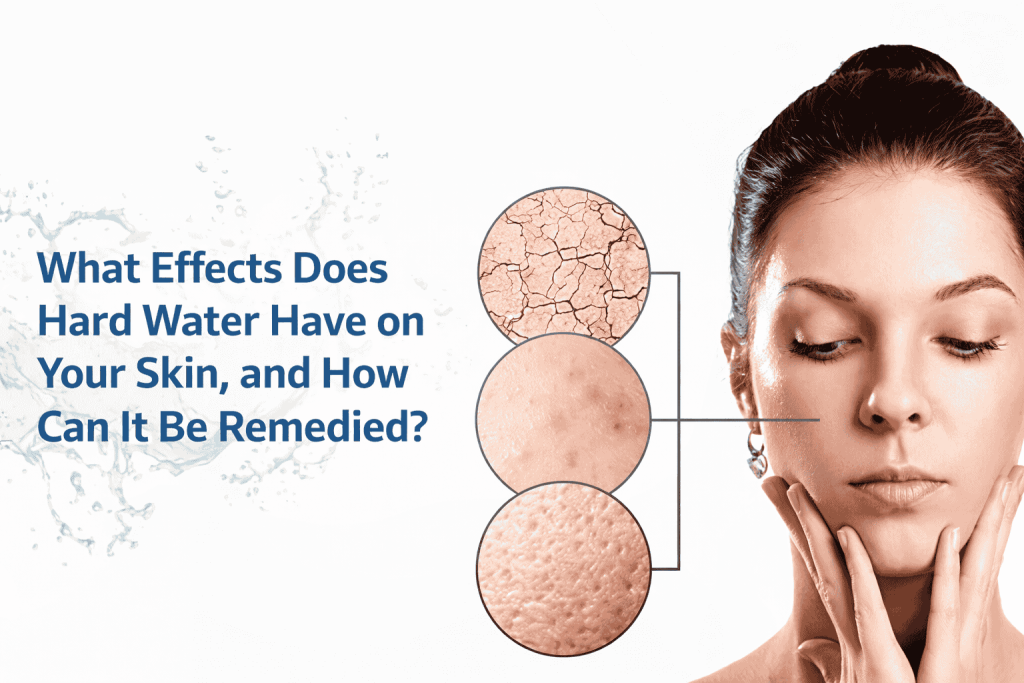
- Dry, Itchy Skin: You may have observed a white, chalky film after showering or washing your hands. That may be soap scum. Hardness minerals react with soap to form a soapy residue on the skin. This soap film clogs pores and makes moisturizing more challenging.
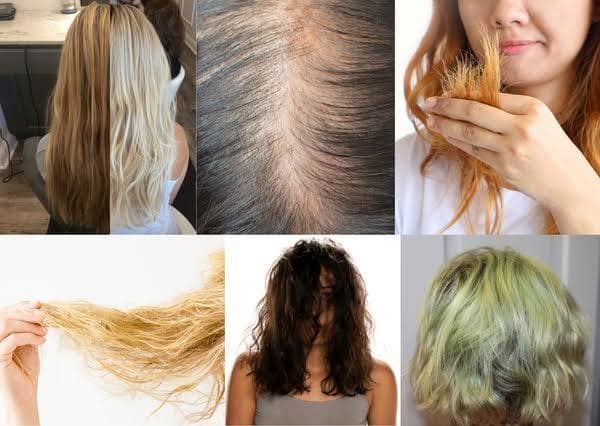
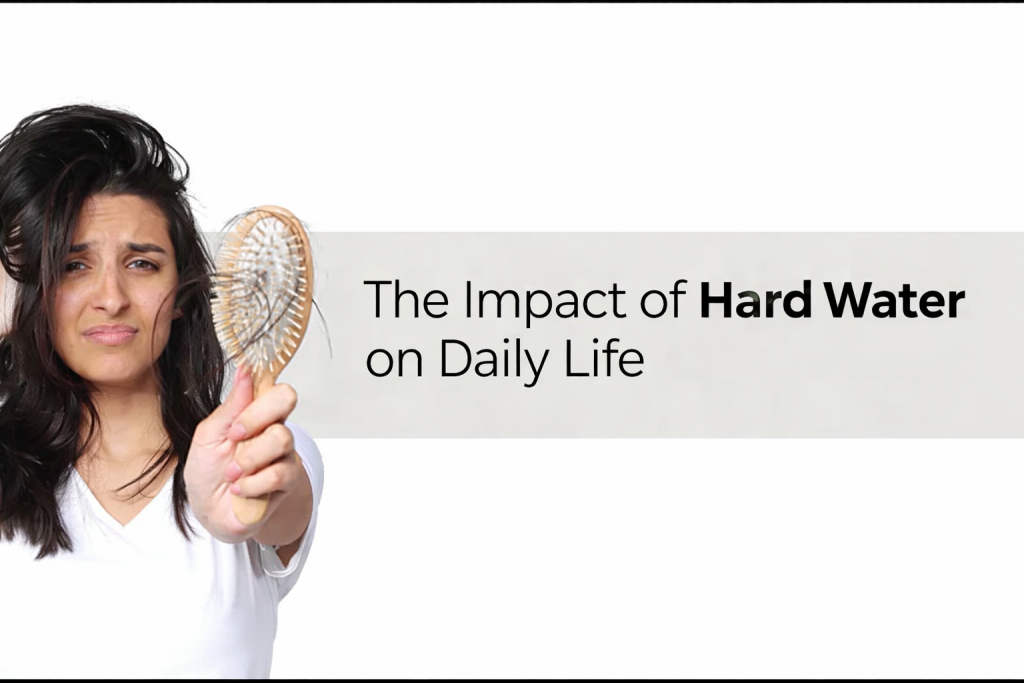
- Dry, Brittle Hair: Hard water may cause dull, dry, or dingy hair even after using your favorite moisturizing shampoo and conditioner.
- Your Clothing is Drab and Stiff: Hard water minerals bind with washing detergent, which is annoying. This mixture produces a powdered residue that makes garments, towels, and sheets feel like they weren't in the laundry and fades colors faster. Additionally, harsh water can harm garments.
Evaluating the Water Hardness
To ascertain whether the water is hard, apply the following techniques:
- Look After Yourself: Use a water test kit to determine the quality of your water; this is one of the simplest and least expensive methods. Certain tests check for specific contaminants like copper and chlorine, while other kits look at the overall quality of the water. Verify that this is being measured by your hardness measurement kit.
- Water Quality Report: For information on the hardness of the local water, consult your water report. The calcium carbonate value in the report should be noted and compared to the following scale.
- Water Softening: from 0 to 60 mg/L
- Somewhat Hard Water: 61–120 mg/L
- Water Hardness: 121–180 mg/L, with 180 mg/L quite hard.
- Soapsuds Test:
- To determine how hard the water is, simply mix soap and water.
- Remove the cap from a clean glass or plastic bottle to begin the test.
- Pour as much as possible into the bottle up to the three-quarter point.
- After adding eight or ten drops of pure liquid dish soap, shake it quickly, with a 15-second shake.
- Set down the bottle and examine the mixture.
If the mixture foams up rapidly, makes a lot of suds, and the water is evident behind the suds layer, then you probably have very soft water.
Still, if the mixture foams up unevenly, leaves a thin layer of suds, and the water appears murky behind the suds, you probably have hard water.
Eliminating Garbage and Discolorations
Hard water stains on plumbing fittings must be cleaned regularly. One useful natural cleaning option for this is vinegar.
- Wrap a vinegar-soaked towel around the tap and leave.
- Clean toilets with vinegar, baking soda, borax, and cleaning solution.
- Use vinegar or vinegar-borax to clean sinks, baths, and showers without using abrasives.
Clean the glass with warm vinegar and lemon juice or seawater.
Preventing Hard Water Deposits and Stains
Putting in a water softener is the most important long-term solution. There are essentially two types:
- In ion-exchange water softeners, sodium or potassium ions are utilized instead of hard minerals.
- By dissolving salts, softeners physically treat the water to inhibit surface adherence.
To sum up
By becoming knowledgeable about hard water and implementing the necessary precautions, you can protect your home from the damaging effects of it. Using a water softener of superior grade allows for the complete elimination of problems. You should consult an expert to establish which solution is the most suitable for your requirements.