

Blog
Enhancing Water Absorption in Your Body: A Journey of Hydration

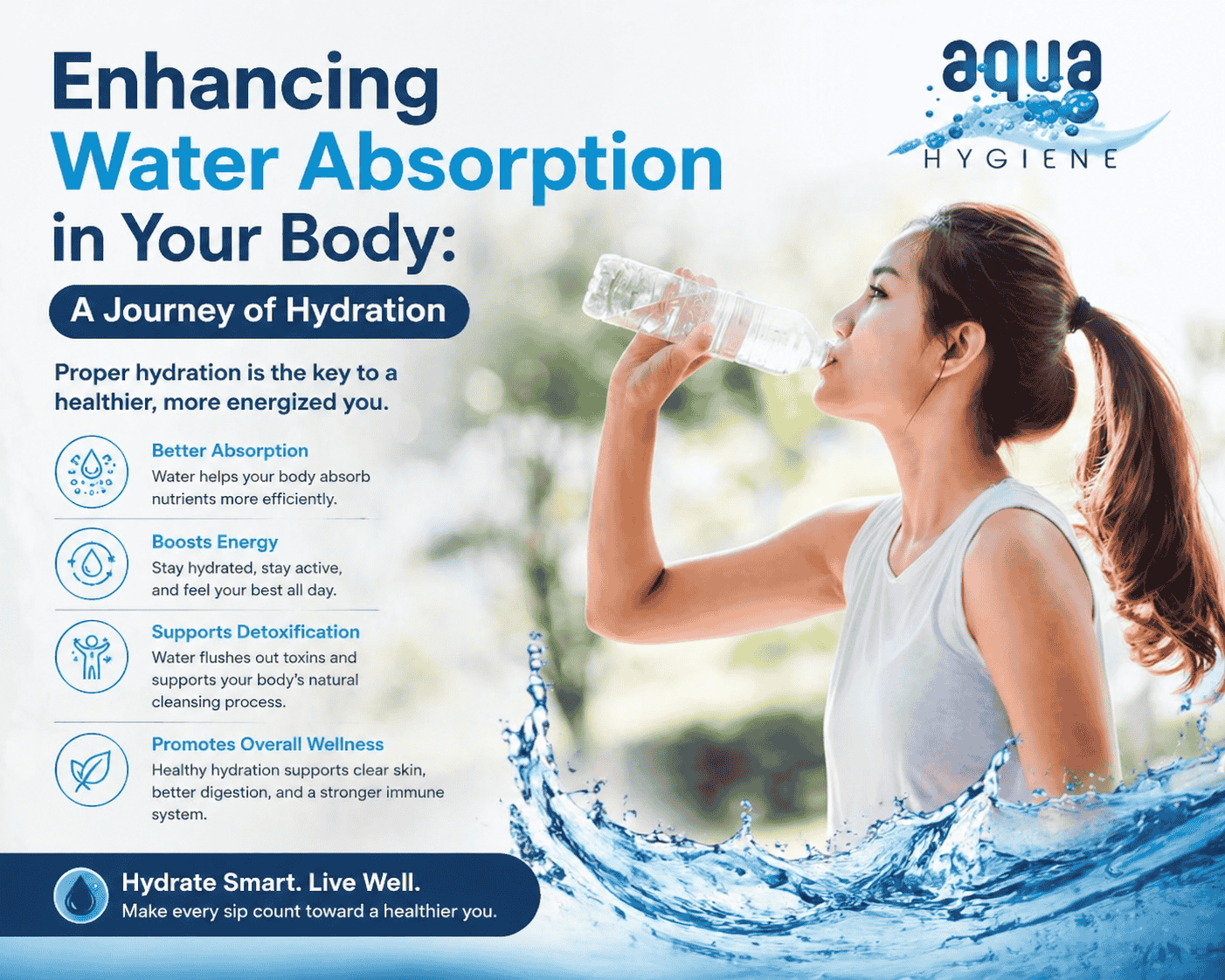
Nourishing our bodies with food provides the energy and nutrients we need to thrive. However, while food is vital, we must recognize the indispensability of water. Calorie-free and tasteless, water is an essential element for our survival. Although dietary preferences may differ among individuals, the necessity for water remains constant.
But how exactly does water function within our bodies? Its role often goes unnoticed as it is ubiquitously present. Let us unravel the significance of water and how a healthy intake can ensure proper bodily functions.
Journey of Water In Our Bodies
The water journey within your body begins in the mouth, where the digestive process commences. Saliva, the primary component of water, is secreted by salivary glands. This fluid aids in breaking down food into smaller particles, initiating the process of digestion.
Water's exceptional solvent properties make it crucial for digestion. Substances, particularly nutrients from food, are easily dissolved and decomposed in water. Hence, during meals, drinking water facilitates swift and efficient digestion.
Consuming water with your food moves through your stomach and into your small intestine, where most water is absorbed. The small intestine's inner surface has villi, tiny finger-like projections that increase the surface area and enhance water absorption.
The water absorbed by the small intestine enters the bloodstream and is circulated throughout the body, ensuring healthy blood flow. Consequently, consuming an ample amount of water contributes to maintaining robust circulation.
Additionally, water plays a vital role in waste elimination from the body. To further this hydration journey, the kidneys come into play. These remarkable organs filter waste and toxins from the blood, expelling undesirable substances through urine. Consequently, maintaining proper hydration becomes especially crucial when discomfort arises.
Moreover, water aids in waste removal through another avenue—excretion. By softening the stool and facilitating its passage through the colon, water helps alleviate constipation.
Finally, water's journey within your body concludes with its role in sweating, which is vital for maintaining body temperature. Sweat consists of water, minerals, electrolytes, and various compounds the body needs to eliminate. By replenishing water levels, your body ensures an adequate supply of fluids for expelling waste.
How Much Should We Drink
Drinking enough water is essential for good bodily functions and overall health. According to nutritionists and health experts, women should consume around 11.5 cups (2.7 liters) of water daily, while men should aim for approximately 15.5 cups (3.7 liters).
Rather than consuming a large quantity of water all at once, spreading your water intake throughout the day is advisable. Consider incorporating water consumption into various time slots, such as upon waking, before and after meals, during exercise, and before bedtime.
Benefits of Consuming Water
Now that we understand water's role in our bodies let's explore some health benefits of consuming sufficient water.
- Maintaining the Balance of Body Fluids
Adequate water intake helps preserve the balance of body fluids. As our bodies consist of over 60% water by weight, replenishing fluids prevents dehydration and promotes the proper functioning of various bodily systems.
- Regulating Body Temperature
Water aids in regulating body temperature through the cooling effect of sweat. Water evaporates from the skin's surface and dissipates body heat, providing a comfortable and cooling sensation.
- Potential Treatment for Kidney Stones
Water's pivotal role in waste removal extends to preventing kidney problems like kidney stones. Proper hydration is crucial in preventing the accumulation of harmful substances by facilitating filtration and eliminating waste and toxins.
- Weight Management Assistance
Several studies indicate that water consumption contributes to weight control. Water can enhance metabolism and increase calorie burning, helping with weight management goals. By incorporating water into your weight loss regimen, you may experience positive effects on your journey towards a healthier weight.
Choosing the Right Water for You
With the understanding of water's importance, you might wonder which type of water is best for consumption. Here are three recommended options:
- Filtered Water
Filtered water undergoes a purification process using filtration systems. It eliminates impurities and contaminants, offering a safer and cleaner drinking experience than tap or well water. As filtered water becomes more accessible, various home filtration systems cater to different water needs, ranging from countertops to under sinks.
- Bottled Water
Bottled water is another reliable option for accessing clean drinking water. Many folks favor bottled water over tap water because of its flavor since tap water can sometimes have chlorine in it. Nonetheless, considering the monetary and ecological consequences of depending entirely on bottled water is crucial.
- Mineral Water
Mineral water is a beneficial source enriched with minerals like calcium and magnesium, offering health advantages. Studies indicate drinking mineral water can strengthen bones, improve heart and digestive health, and lower blood pressure. High mineral content may affect water taste and cause appliance scale buildup. To mitigate these effects, water filtration systems with remineralization features can provide safe and flavorful water while enjoying the benefits of minerals.
Tips to Improve Water Absorption
Here are some tips to improve water absorption:
- Sit and drink water instead of standing.
- Sip water slowly instead of drinking a full glass at once.
- Fill your mouth with water and then swallow gradually.
- Activate your saliva glands by sipping water in a controlled manner.
- Avoid consuming excessive water in a short period.
- Hydrate consistently throughout the day rather than chugging large amounts at once.
- Ensure proper hydration by drinking water before feeling excessively thirsty.
- Consider adding salt or electrolytes to your water for better absorption.
- Avoid consuming diuretic beverages like alcohol and caffeinated drinks in excess, as they may increase water loss.
- Eat water-rich foods to supplement hydration.
- Avoid excessive consumption of salty or high-sodium foods, as they can increase water retention and reduce absorption.
These tips can help optimize water absorption, but individual responses may vary.
Final Thoughts
To achieve optimal well-being, it's crucial to comprehend the importance of water in our bodies and proper hydration. Healthy water intake can aid digestion, waste elimination, circulation, body temperature regulation, and weight management. Choosing clean and safe water that suits our preferences and needs for a healthy lifestyle is essential.