Blog
Tap Water Tastes Off? Here's What's Actually Going On

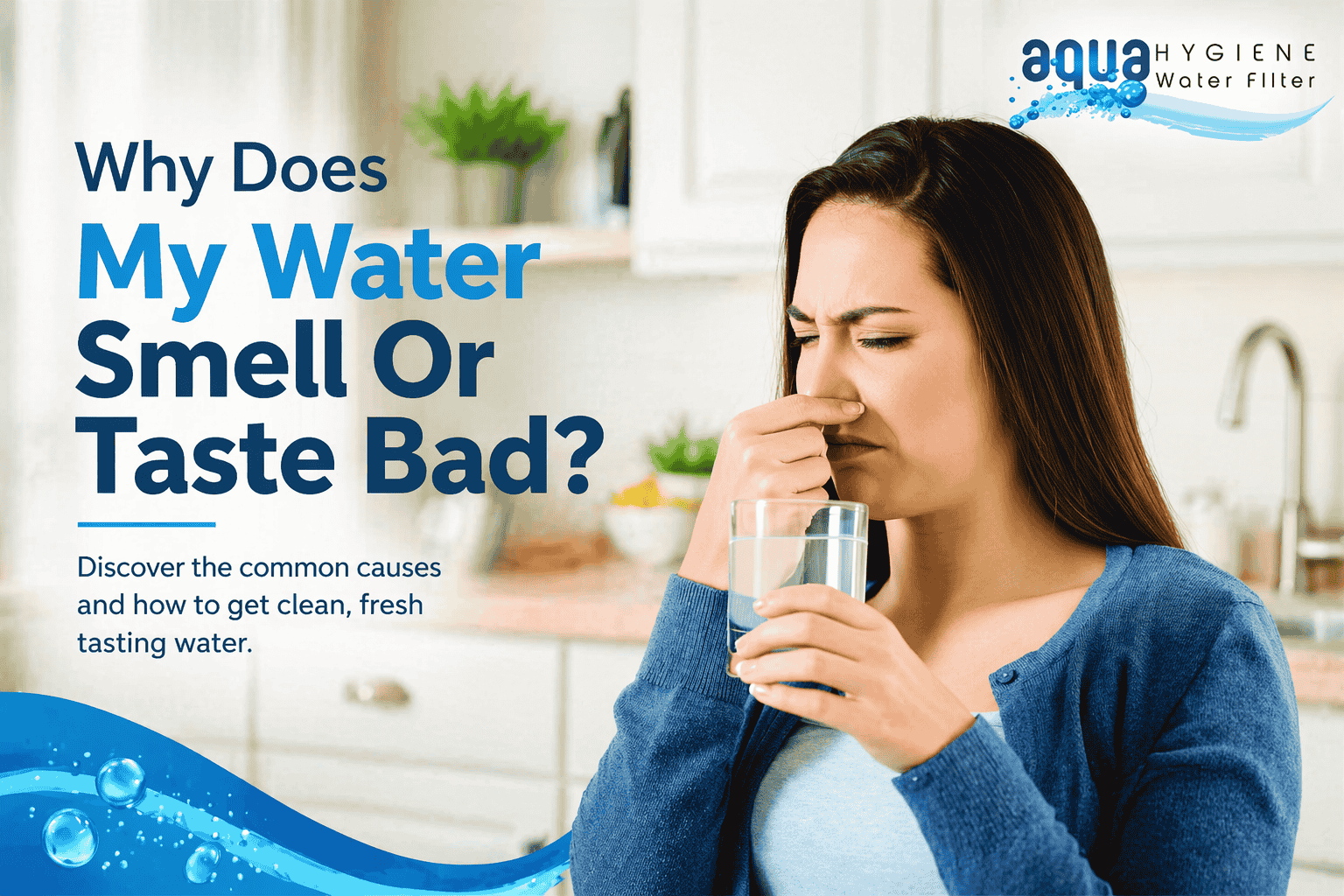
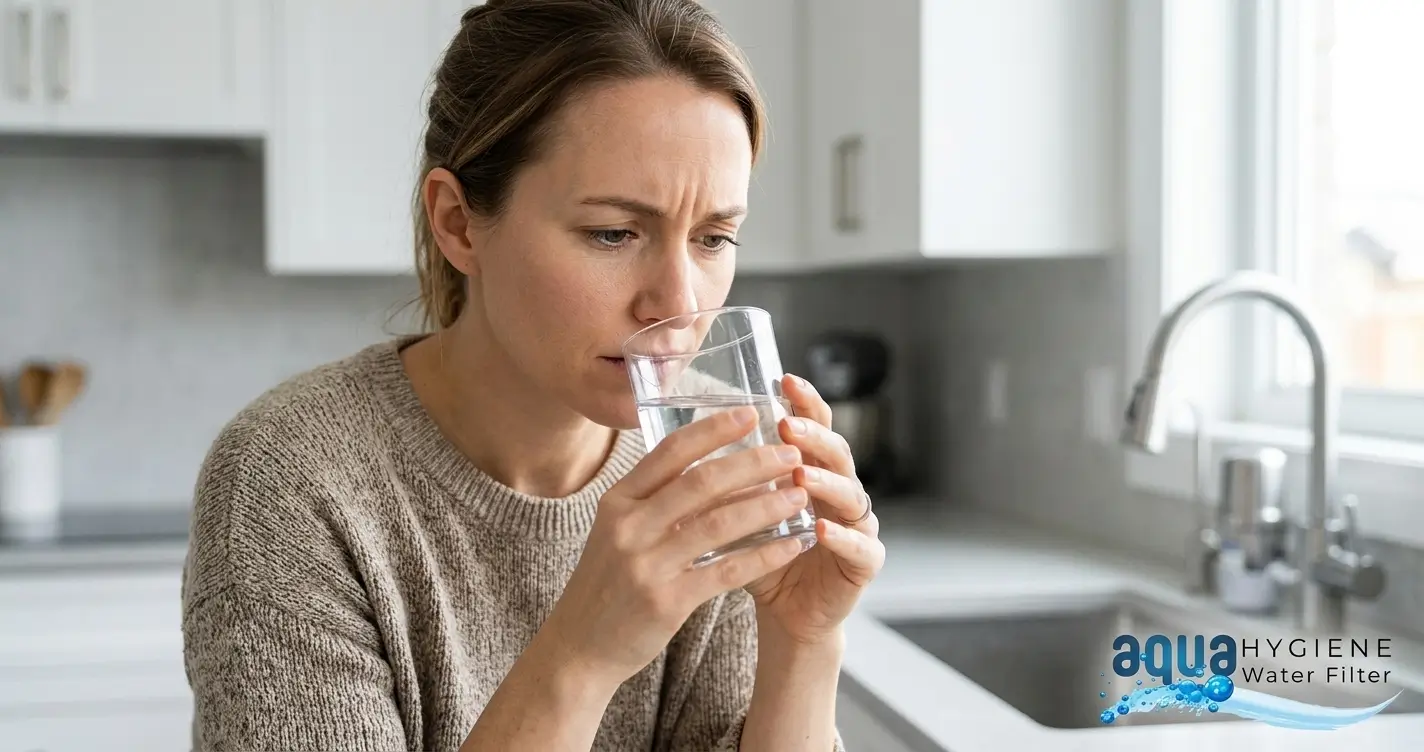
You turn on the tap, fill a glass, and something's just not right. Maybe it smells a bit like eggs, maybe it's got a chemical edge, or maybe it just tastes flat and a little metallic. None of this is unusual, and in almost every case there's a specific, identifiable reason behind it.
That Earthy or Musty Taste
During hot, dry spells, algae can build up in a water source and give the water a faint earthy or musty flavour. Treatment plants know this happens and adjust how they process the water to keep it safe, so the taste change doesn't mean anything's actually wrong. It's more of a seasonal quirk than a genuine problem.
Could It Be Your Own Plumbing?
Before blaming the water supply itself, it's worth checking your own taps and water heater. A tired old faucet or a water heater that hasn't been serviced in a while can affect taste on its own, completely separate from whatever's happening at the municipal level. If you're only noticing the issue at one tap in your home, this is usually where to look first.
The Rotten Egg Smell
This one's unmistakable, and it comes down to hydrogen sulfide gas. Even a tiny trace of it creates that strong sulfur smell people instantly recognise. It forms naturally when sulfate reacts with sulfate-reducing bacteria in the water, and it can get worse if your water heater has a magnesium anode rod and the water's been sitting still for a while.
A sulfur smell doesn't automatically mean your water's unsafe, but it's not something to shrug off either. Some people experience diarrhoea or dehydration after drinking it, and babies are especially at risk given how undeveloped their immune systems still are.
Longer term, low-level exposure has also been linked to nausea, tiredness and headaches in some adults, though most people's bodies adjust to it over time. If this smell keeps showing up, a proper water filtration setup deals with it at the source instead of you just getting used to it.
When Water Tastes Like a Swimming Pool
Chlorine is added to public water supplies specifically to kill bacteria, and the levels used are kept well within safe limits. That doesn't stop it from leaving a noticeable taste though, particularly if you live near a treatment plant.
Cold water tends to carry a sharper chlorine edge than warm water, and water drawn first thing in the morning can taste more chlorinated than water later in the day. It's not dangerous, but if you're sensitive to it, it can genuinely put you off drinking enough water.
That Metallic Taste
A metallic taste usually traces back to one of these:
- Mineral content: Iron, copper, zinc or manganese at higher concentrations can all leave a metallic edge behind.
- Ageing or corroded pipes: Rusty internal plumbing can leach iron or copper straight into your water as it flows through.
- Chlorine levels: In some cases, higher chlorine concentrations read as metallic rather than chemical.
- pH imbalance: Water that's too alkaline can carry an off, slightly metallic taste.
A whole house filtration system using activated carbon handles most of these at once, since it's treating the water at the point it enters your home rather than after it's already picked up whatever's in your pipes.
Figuring Out What's Actually Wrong
Guessing rarely solves this properly. If you're on a public water supply, your provider can usually give you a water quality report showing exactly what's in your area's water. For something more specific to your own home, sending a sample to an accredited lab gives you a clear answer rather than a guess.
What Actually Fixes It
Once you know the cause, the fix is usually straightforward:
Filtration
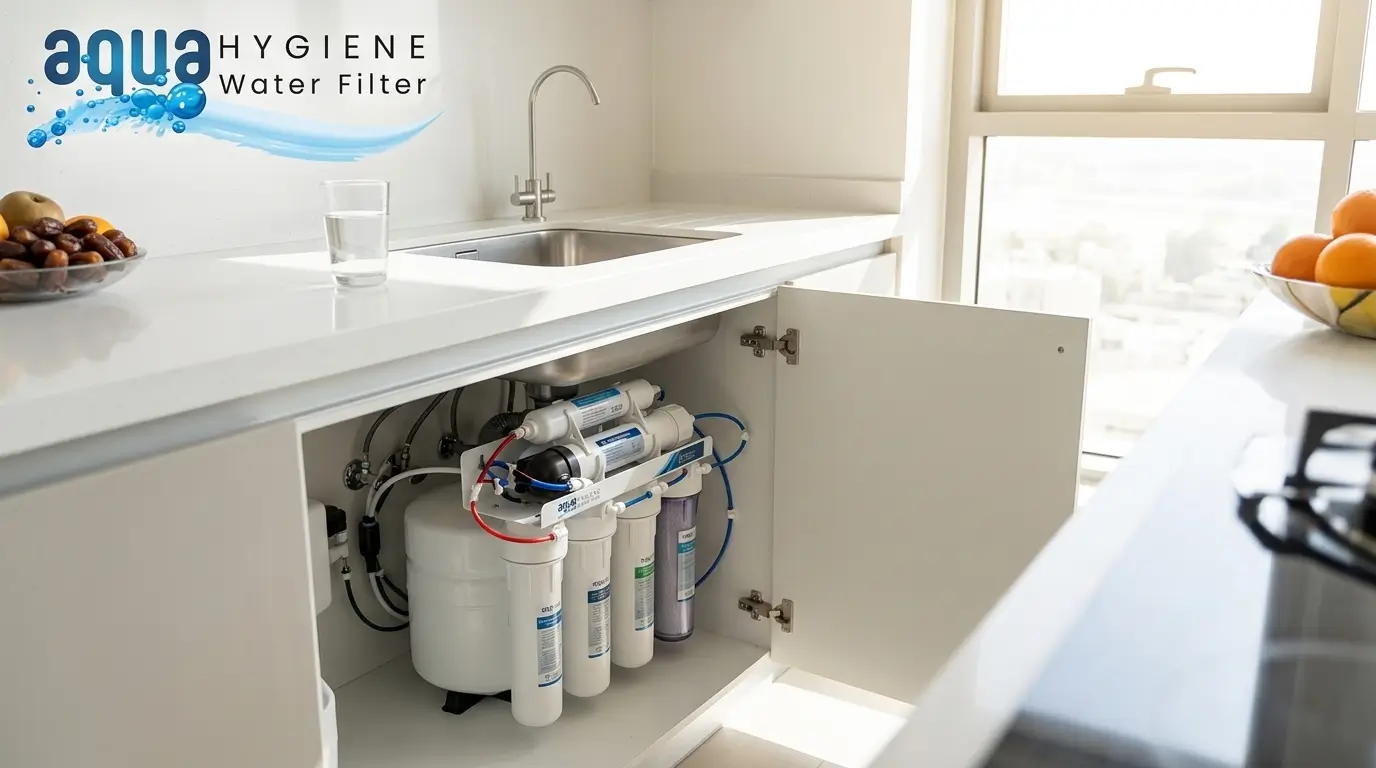
Standard filtration passes water through a porous membrane to catch particles, and it handles a lot of the common issues on its own. Ultrafiltration and reverse osmosis go further, cutting down chlorine, metals and other dissolved contaminants more thoroughly.
Water softening
If hardness minerals are part of the problem, a water softener swaps calcium and magnesium out for sodium through ion exchange before the water reaches your taps.
Distillation
This turns water into steam and condenses it back down, which reduces hardness and removes heavy metals, bacteria and other pathogens in the process. It's thorough, but a lot slower and more energy hungry than filtration.
Simple additives
Small fixes like activated carbon granules or chlorine tablets can help with milder taste and odour issues. It's worth checking the manufacturer's guidance or speaking to a specialist if you're not sure which one applies to your situation.
The Bottom Line
A bad taste or smell in your water almost always has a specific, fixable cause behind it. Testing first means you're solving the actual problem instead of throwing a random fix at it and hoping. If your water just doesn't taste right and you're not sure why, get in touch with Aqua Hygiene and we'll help you track down exactly what's going on.