

Blog
How Does Hard Water Affect Your Dishwasher!


They say home is where the heart is—and where the dishwasher resides. The unassuming dishwasher gracefully manages our after-dinner chaos, but what happens when its trusty efficiency is derailed? The culprit is not always overloading or forgetting to rinse; sometimes, it is the water itself. If you have ever seen cloudy glassware or experienced a less-than-sparkling finish, you might live with a troublesome water type called hard water.
Below, you will learn how hard water affects dishwashers and other appliances. We will also explain how to tell if your water is hard and how to banish hardness minerals from your water supply for good.
Is Hard Water Bad for Your Dishwasher?
The signs of hard water's influence can be unmistakable for those living in regions with mineral-rich water. The impact on dishwashers is notable, with dishes featuring an unwelcome dullness and a laundry list of issues. But how detrimental is hard water to these appliances designed to make our lives easier?
What Causes Hard Water Buildup in Dishwashers?
Before exploring the effects of hard water, it's crucial to understand its origins. Hard water is endowed with calcium and magnesium, minerals that are the bane of dishwashers. These elements form a menacing layer of limescale inside the appliance, similar to the mineral deposits in the tub and shower, but with grittier consequences.
Effects of Hard Water on Dishwashers
Your Dishes Aren't Getting Cleaned
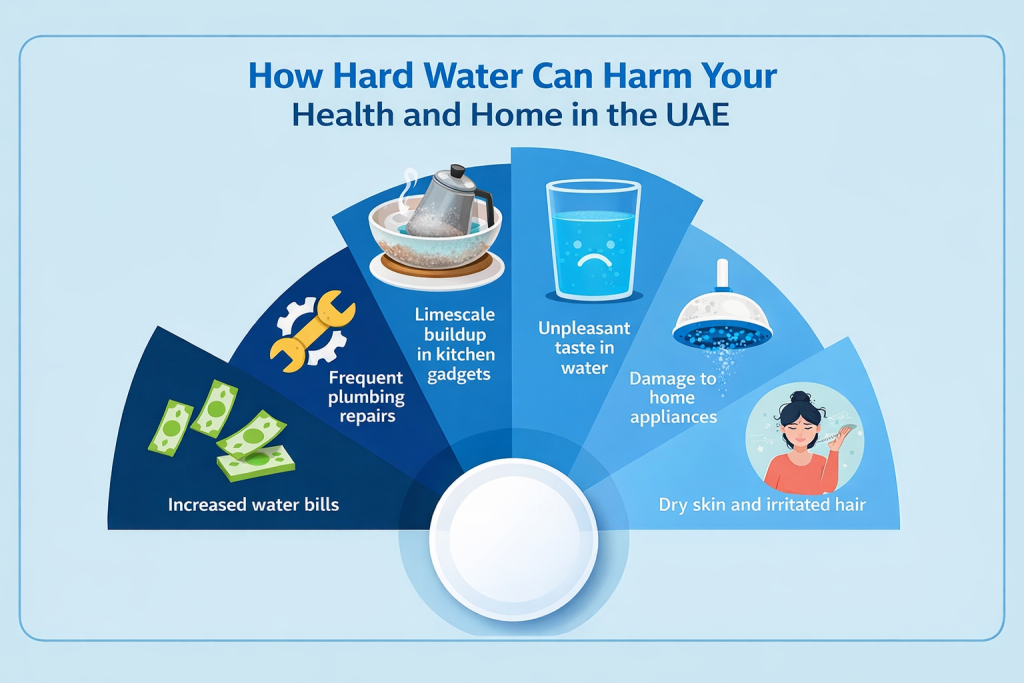
Hard water can render detergents impotent, leaving residue and spots on 'cleaned' dishes. The minerals act as a shield, warding off the soap's efforts to clean, effectively turning your dishwasher into a rinse-and-repeat machine.
Frequent Repairs or Replacements
Scale buildup in various parts can lead to operational issues, tarnishing the dishwasher's efficiency and potentially shortening its lifespan. The necessity of continual repairs can drain both your patience and your pocket.
An Unwelcome Olfactory Experience
Imagine the metallic smell of dishwashing detergent mingling with the remnants of hard water deposits. This olfactory cacophony is not conducive to a clean kitchen and often signifies a more significant issue with your dishwasher's interior.
Rust and Corrosion
The corrosive nature of hard water can lead to the rapid degradation of metals within the dishwasher, such as the heating element and spray arms. This can weaken the appliance's structure, leading to a costly cascade of repairs.
Escalating Energy Costs
Scale buildup on the heating element accelerates wear and decreases the dishwasher's overall efficiency, increasing energy consumption and, subsequently, your electricity bills.
Does Hard Water Affect Other Appliances?
Dishwashers aren't the only ones feeling the pinch of hard water. Prone to lime-related ailments are:
Washing Machines
Hard water can damage fabric, cause fading, and stiffen it. Like dishwashers, washing machines suffer from mineral buildup that can hamper their cleaning efficacy and shorten their lifespans.
Water Heaters
The limescale insulation hard water provides to heat exchangers in water heaters is a known enemy. It compels these appliances to work harder and, often, their untimely failure to follow.
Coffee Makers
Coffee, the elixir of early mornings, deserves better than to be brewed with water containing harmful minerals that impede the heating element's effectiveness.
Is Your Water Hard?
It might be if you spot:
- Soap scum and residue in bathrooms
- Appliance calcification
- Spotting on glassware and dishware
- Reduced lathering with soaps
- Clogged pipes and reduced water flow
What Is a Water Softener, and Why Do You Need One?
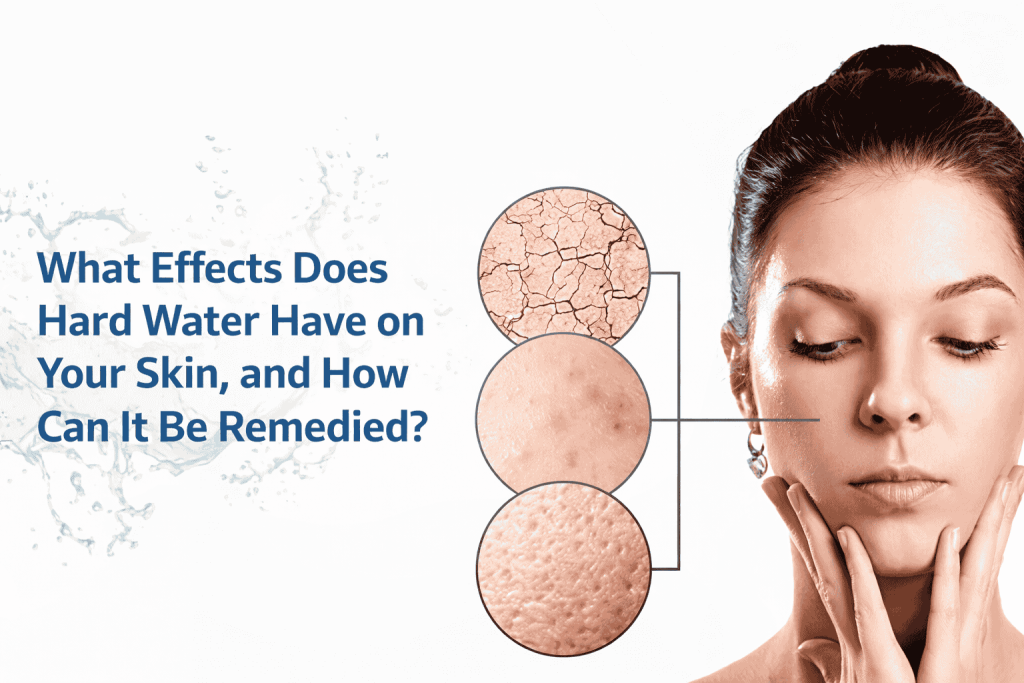
A water softener is a device that removes calcium, magnesium, and other hardness ions in water. It's a whole-home solution that will protect your dishwasher and all your water-using appliances—washing machine, water heater, ice and coffee makers, etc. It will also make showering more pleasant and prevent unsightly buildup on your dishes, shower walls, tiles, sinks, bathtubs, etc. And if your hair and skin have been looking and feeling dry, itchy, and flaky lately for no apparent reason, a water softener may help restore their sheen, moisture, and radiance.
How Does a Water Softener Work, and What's the Cost?
A water softener operates through an ion exchange process, and the cost varies depending on the type and brand. It's an investment in your home's infrastructure that pays dividends through the welfare of your appliances. You'll also have to cover the installation cost if you hire a professional and purchase salt if you purchase a salt-based softener.
Final Thoughts
Many homeowners face the battle with hard water daily. By understanding its effects and investing in the appropriate solutions, we can ensure our dishwashers and other water-dependent appliances remain steadfast companions in the kitchen. Don't allow hard water to dictate the terms of your dishwasher's life—take control and enjoy its benefits for years to come.