


Blog
What's in Your Water? A Guide to Heavy Metal Pollution in the UAE


Safe water is something most of us don't think about until there's a reason to. Heavy metals like lead, mercury, copper and cadmium can end up in water supplies through industrial activity, old plumbing, or natural sources in the ground. It is not unusual or necessarily dangerous in small trace amounts. The actual question is, what about long-term exposure at higher intensities? That is why it is important to know where these metals are found and how to prevent them from entering your home's water supply.
What Prolonged Exposure Can Actually Do
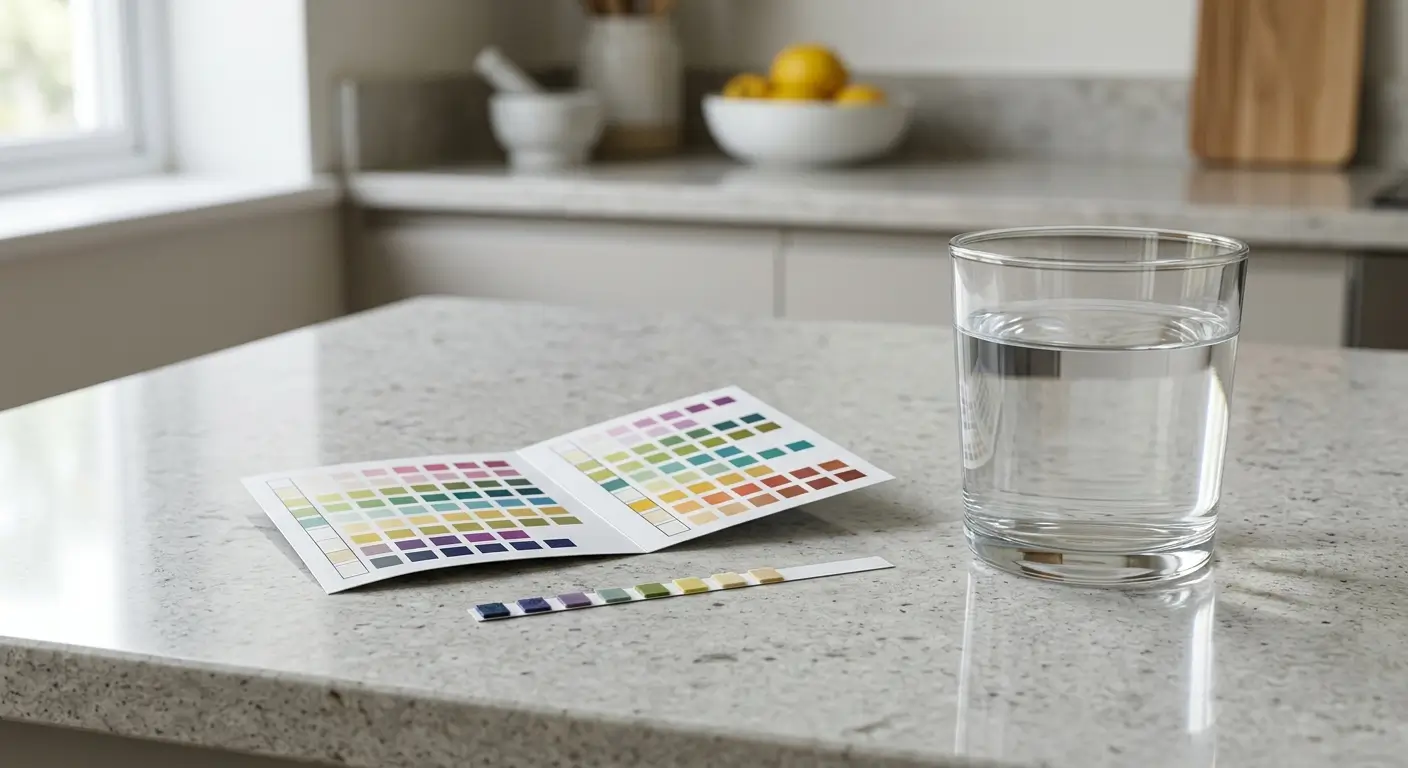
Lead, arsenic, mercury and cadmium are the metals worth knowing about. Most often, they are found in the vicinity of older industrial facilities, mining operations, or buildings with outdated plumbing. At high enough levels and over a long enough period, exposure can lead to a range of health issues:
- Nervous system effects. Heavy metals can affect memory, learning and behaviour. Children are especially vulnerable during key stages of development.
- Heart and blood pressure issues. Severe, long-term lead and cadmium exposure can raise blood pressure and cause irregular heart rhythms.
- Kidney strain. Lead in particular puts a load on the kidneys, and the effects tend to build the longer exposure continues.
- Reproductive effects. Some heavy metals can disrupt hormone balance. Some studies link this to fertility issues.
- Digestive symptoms. Drinking contaminated water can cause nausea, vomiting and general digestive discomfort.
- Long-term cancer risk. Extended exposure to arsenic and cadmium specifically raises the risk of certain cancers, including lung, bladder and kidney cancer.
None of this means every glass of tap water carries these risks. Sustained, elevated exposure is the actual concern. That's why regular water testing and proper filtration matter more than panic.
How Heavy Metals End Up in UAE Water Supplies
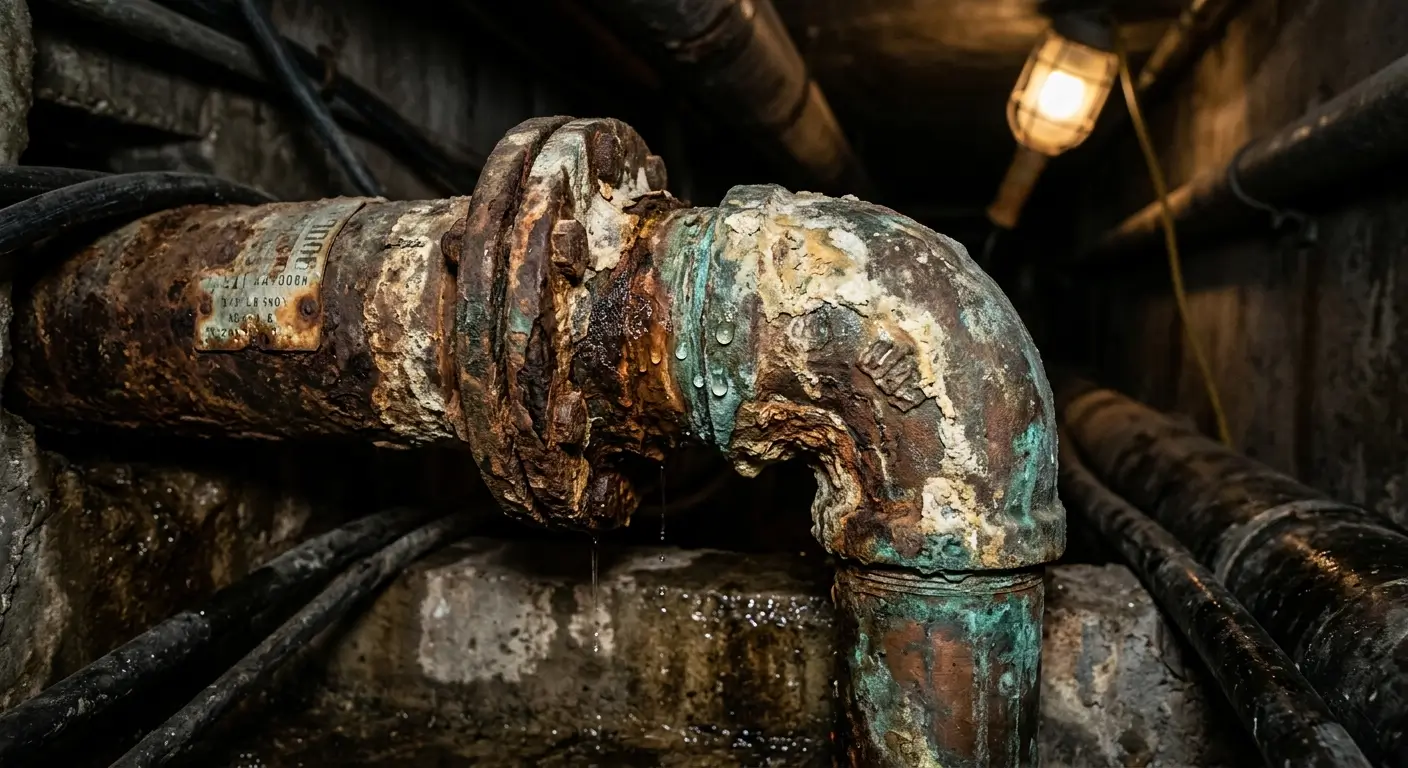
Rapid urbanisation can lead to heavy metals entering local water systems. The ageing infrastructure and a lack of waste management and industrial runoff all contribute. Older buildings that have old plumbing are a common source, as over time lead pipes and fittings can leach metals into the water. Industrial plants that emit mercury or other metals into the atmosphere or ground surrounding the facility can also have an indirect impact on local water sources.
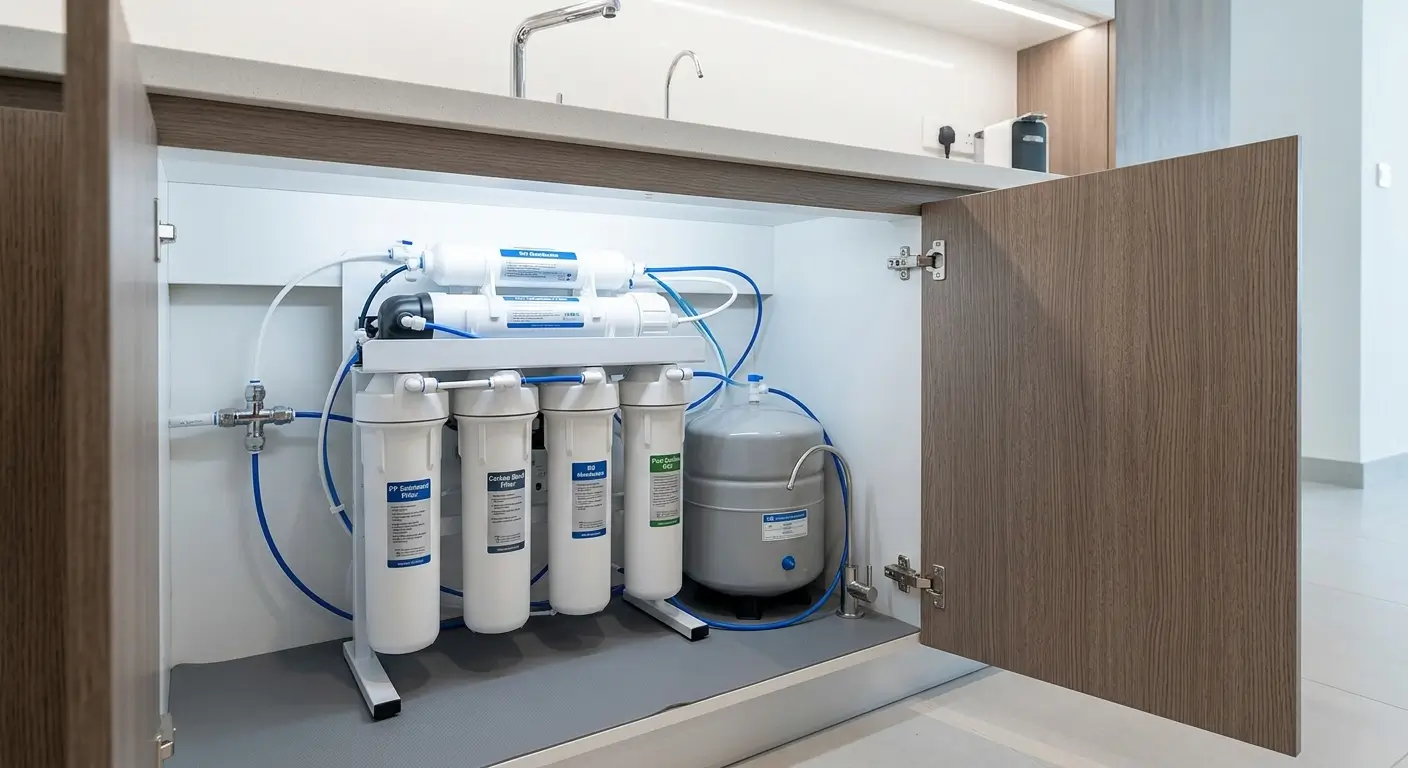
A reverse osmosis system is one of the more effective ways to catch these contaminants before they reach your glass. This matters most if you're in an older building or an area near industrial activity.
How to Check If Your Water Is Actually Safe
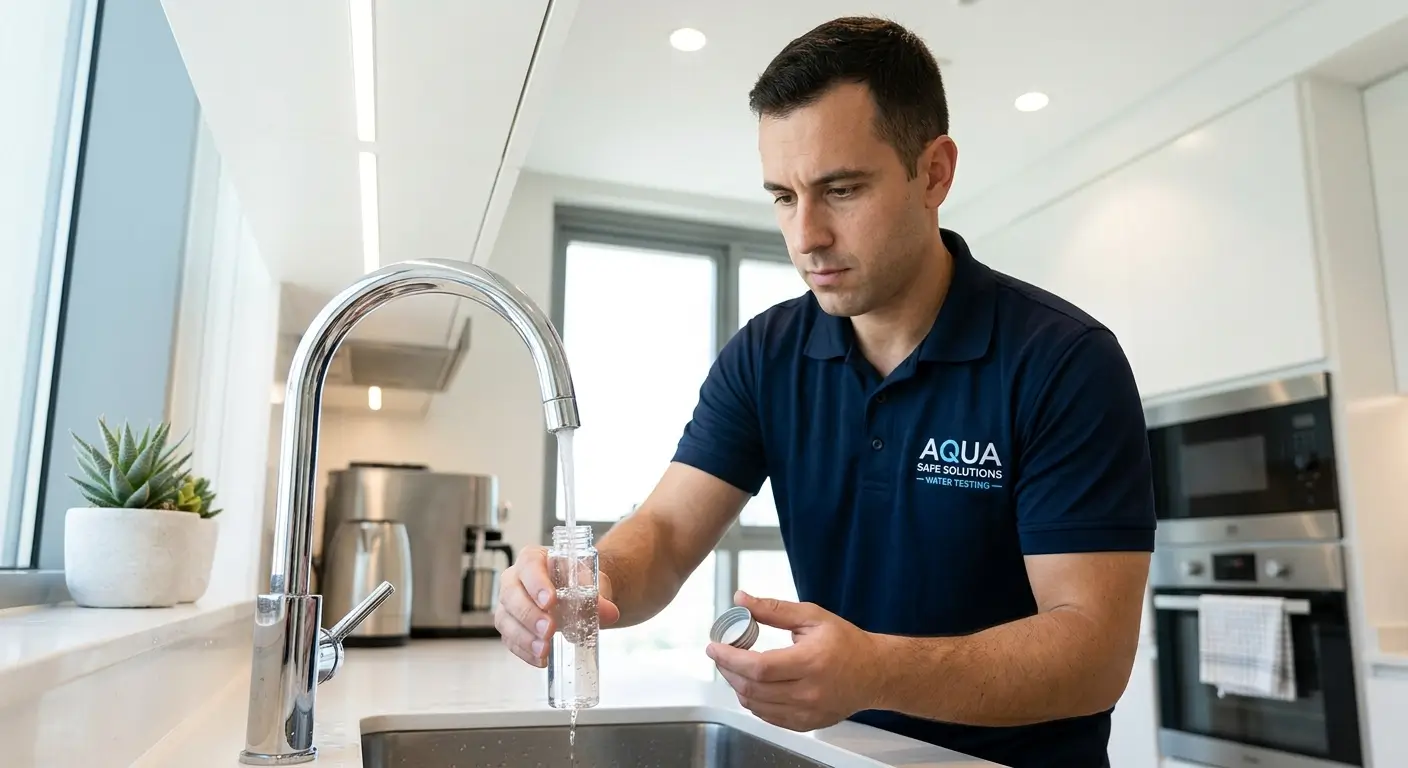
Test it regularly
The only real way to know what's in your water is to test it. A good lab test will analyze for heavy metals, bacteria, pH, and overall contamination. Do this from time to time, don't assume that nothing has changed since the last time.
Check your plumbing and storage
Older pipes, storage tanks and fittings are a common source of contamination, even when the water entering your property is clean. Cracks, corrosion or ageing materials in your building's system can introduce metals into water that started out fine. These inspections and maintenance are as important as the water source itself.
Know where your water comes from
Clean water begins at clean water source. If water is sourced from a well, local reservoir or municipal supply, it's beneficial to understand what's nearby. Knowing how much you have at risk, whether from agricultural runoff, industrial sites or from an old infrastructure, is a lot clearer.
What You Can Actually Do About It
Staying informed goes a long way here. Understanding where contamination tends to come from puts you in a better position to protect your own household. Supporting stricter local monitoring and infrastructure investment helps everyone, not just your own home.
On a practical level, a whole house filtration system treats water at the point it enters your home, covering every tap rather than just one. If you're specifically concerned about heavy metals, look for a system tested and certified for that, rather than a generic filter that focuses mainly on taste and odour.
Final Thoughts