

Blog
Dry Skin and Hair: The Importance of Soft Water in Winter


Our bodies face multiple challenges as winter descends, bringing chilling winds and dropping temperatures. Not only do we battle the common cold and weakened immune systems, but our skin and hair also bear the brunt of the harsh season. The frigid air mercilessly strips away moisture, leaving our skin dry. It's a basic routine for many, reaching for hand lotions and balms as soon as winter arrives to combat the adverse effects of dryness.
Furthermore, the constant handwashing we engage in to maintain hygiene and protect against viruses adds to the strain on our skin.
In the face of these challenges, the significance of soft water becomes even more pronounced. With its reduced mineral content, soft water is crucial in safeguarding our health and preserving our well-being during winter. In addition, utilizing soft water for bathing, washing faces, and even handwashing can help mitigate the effects of dryness on our skin and hair.
Unlike its complex counterpart, soft water lacks harsh minerals that exacerbate dryness. Instead, its gentle and hydrating properties work in harmony with our bodies, helping to maintain moisture levels and preventing the uncomfortable consequences of winter's assault. With soft water, we can bid farewell to parched skin and brittle hair and instead embrace a season of health and happiness.
So, as winter envelopes us, let us remember the importance of incorporating soft water into our daily routines. By adopting such methods, we can ensure that our skin remains supple, our hair retains its luster, and we can face the season confidently, knowing that we have taken steps to protect our well-being.
What is Soft Water?
Soft water refers to natural water with a low dissolved mineral concentration, such as spring water. Unlike the term "soft" might suggest, it doesn't mean the water is physically soft. Similarly, hard water doesn't mean that the water is physically hard. Instead, the distinction between hard and soft water lies in the mineral content present in the water.
Water from underground sources, including springs, absorbs various soluble substances as it passes through different rock layers and the earth. These substances can include minerals that are beneficial for human consumption. For example, when natural spring water emerges at the surface, it has often traversed mineral-bearing rocks, resulting in dissolved minerals. Drinking such water can supply essential minerals.
In contrast, soft water areas are characterized by water that doesn't pass through mineral-rich rocks. Instead, it typically goes through a filtration system, possibly involving materials like sand, which removes most dissolved substances, including minerals. Consequently, soft water contains very few dissolved minerals.
Therefore, naturally, soft water lacks significant dissolved minerals, filtered or sourced from areas where mineral-bearing rocks are absent.
Benefits Of Soft Water On Hair And Skin
Soft water provides a smoother and more effective cleansing experience. Here are some key benefits of using soft water.
- Soft water removes scale and residue, making your hair more receptive to the benefits of conditioners and moisturizers.
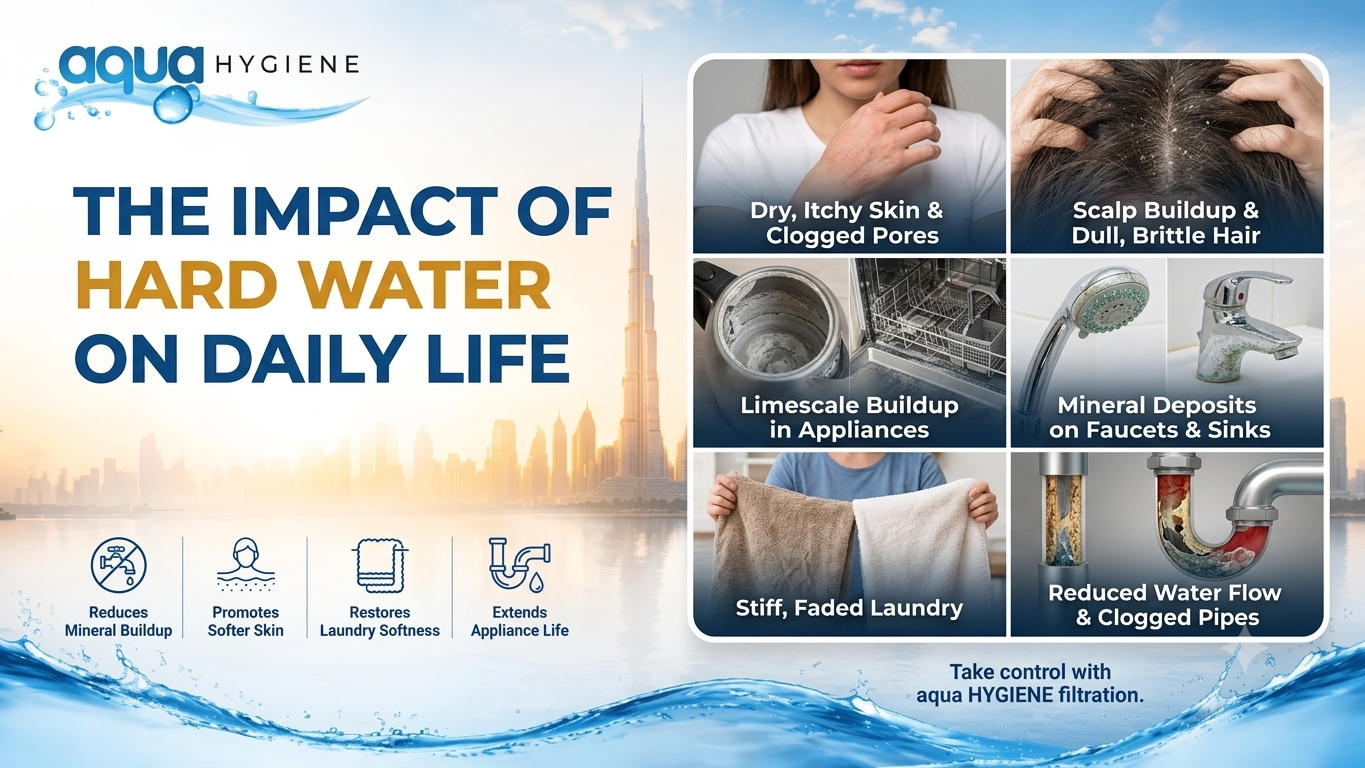
- Soft water can help to reduce problems such as eczema and acne skin.
- Soft water helps restore and maintain your hair's natural shine and vitality.
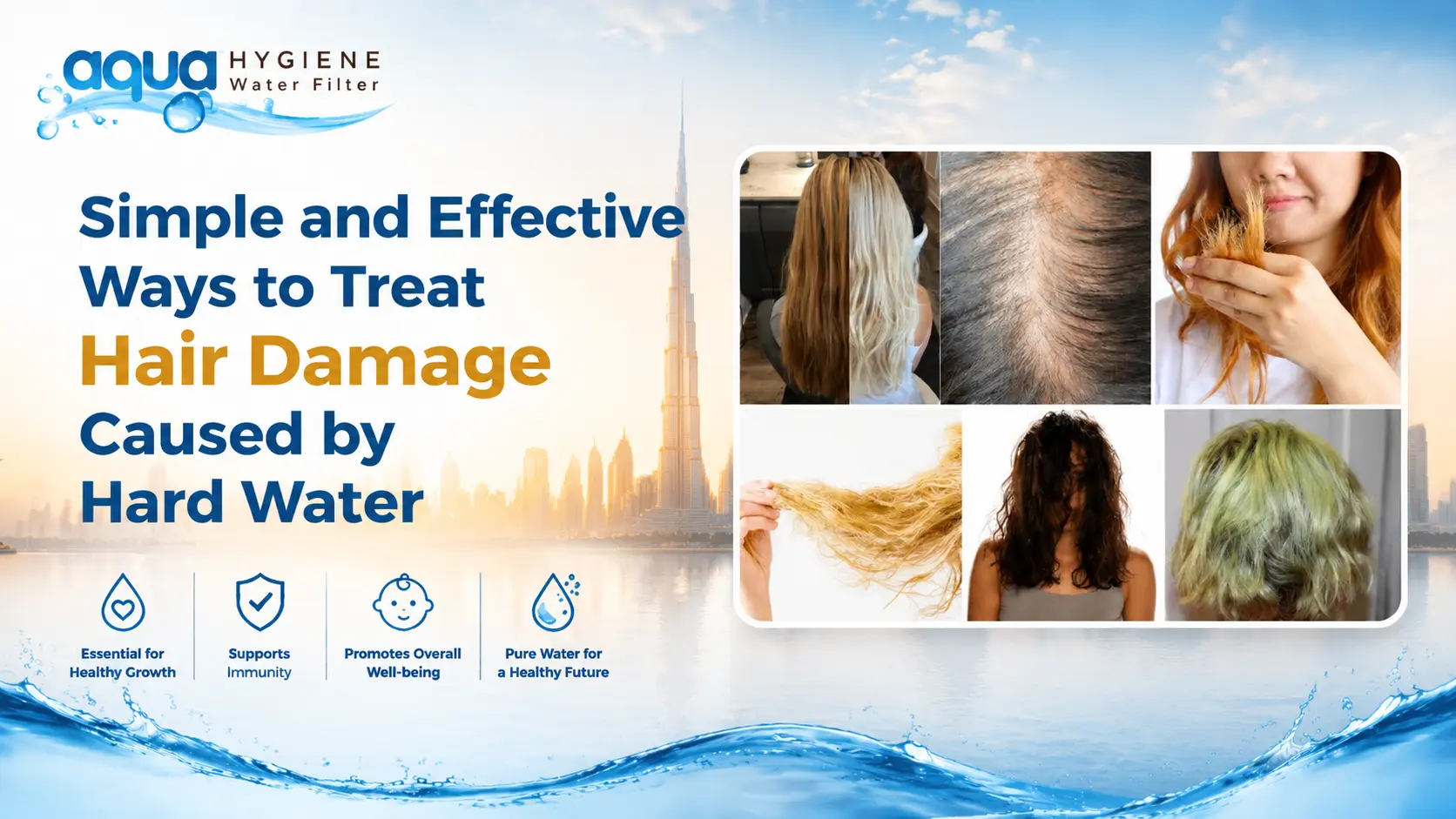
- Soft water also exhibits a gentle and nourishing effect on the hair and skin, preventing excessive drying. In addition, soft water ensures a more balanced and moisturized condition, promoting healthier hair and softer, suppler skin.
- Furthermore, soft water is less likely to clog the skin's pores, contributing to a clearer complexion. Soft water significantly reduces the risk of pore blockage, allowing the skin to breathe freely and maintain its natural balance, resulting in a smoother and more radiant appearance for maintenance.
Using soft water can result in financial savings in multiple ways. For example, you'll need less soap and cleaning products, reducing expenses. Soft water also allows for more efficient heating, lowering energy consumption and decreasing utility bills.
Installing A Water Softener
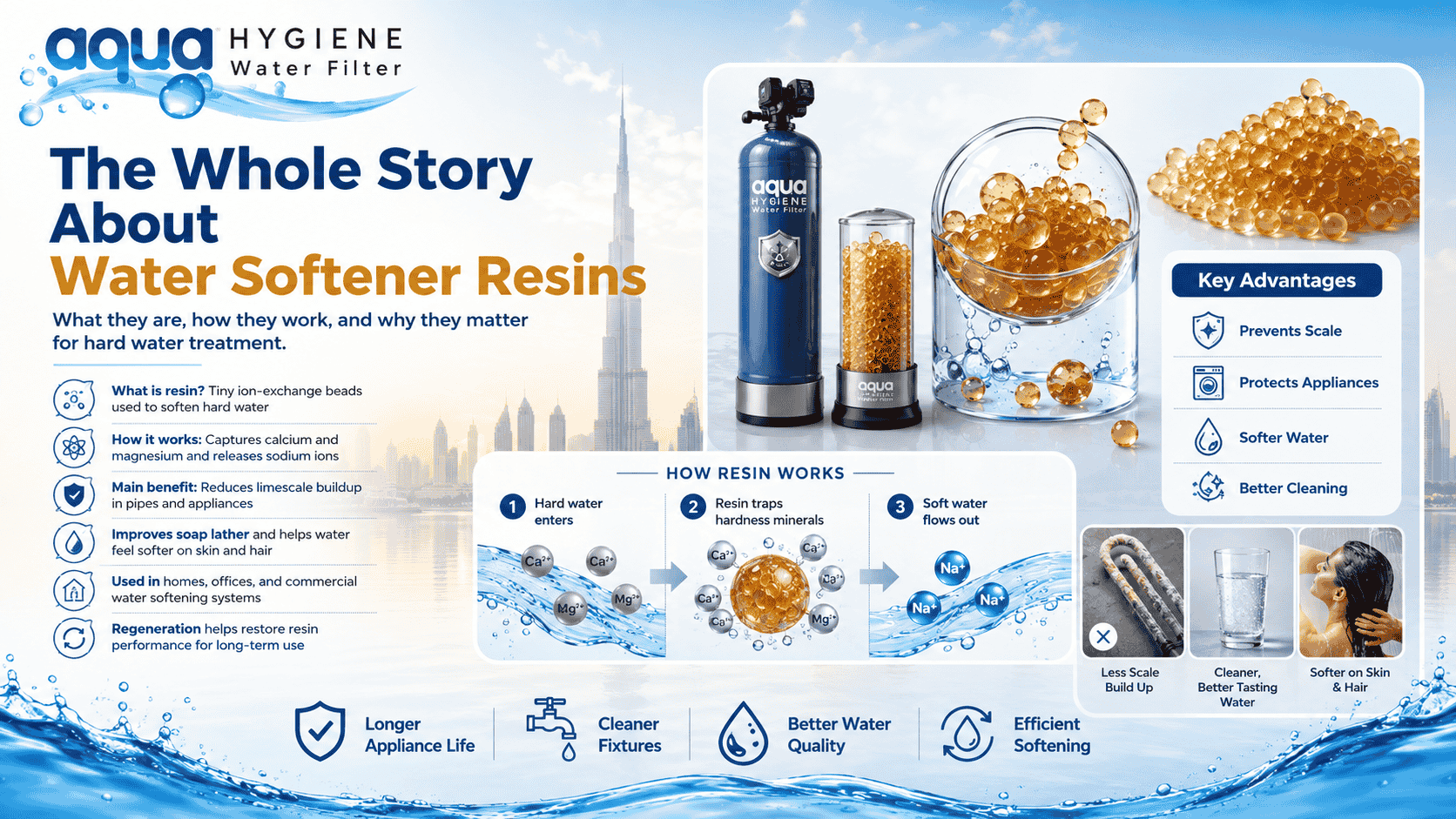
If you're experiencing issues related to hard water, such as scale buildup or reduced efficiency of water heaters and appliances, installing a water softener may be a good solution. These devices work by removing minerals like calcium and magnesium from the water supply, effectively mitigating the adverse effects of hard water. The process involves connecting the water softener to the main water supply line, allowing it to treat the water before it reaches faucets and appliances throughout the building.
While the effectiveness of water softeners may vary depending on factors such as water hardness levels and device capacity, regular maintenance is vital to ensure continued effectiveness. Additionally, it's important to note that water softeners may not remove other impurities, such as chemicals or bacteria, so a separate water filtration system may be necessary for those concerns.
Final Verdict
I couldn't agree more! Keeping our skin and hair healthy during the winter can be challenging, especially with the cold and dry air zapping away moisture. But by incorporating soft water into our daily routines, we can combat the effects of dryness and enjoy healthier skin and hair. So let's consciously prioritize soft water this winter and keep ourselves feeling nourished and hydrated!