
Blog
Choosing the Right Water Filtration System: Under-Sink Filters, Countertop Filters, and Beyond

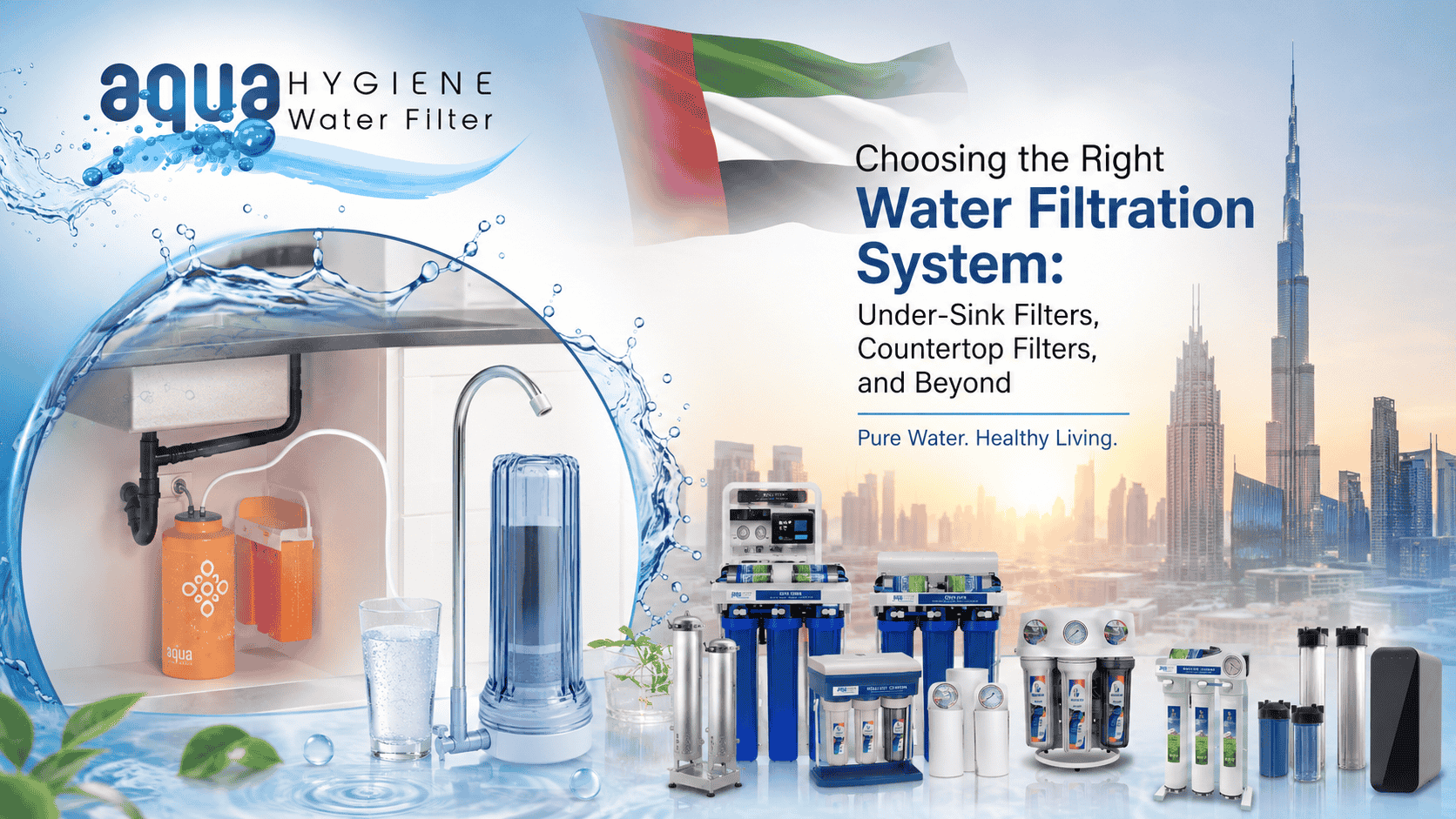
Clean and safe drinking water is essential now. Tap water contaminants and the environmental impact of bottled water are concerning. Choosing a reliable filtration system is crucial. It removes harmful substances and minimizes environmental impact. Protect your health and the planet with an appropriate water filtration system.
This article will explore under-sink filters, countertop filters, and other innovative solutions to help you make an informed decision and promote healthier hydration within your household.
Understanding Under-Sink Water Filters
Under-sink water filters quietly work wonders by providing easy access to clean, delicious water. Despite their small appearance, these devices pack a punch. They offer a practical and efficient solution to guarantee that the water you consume and use for cooking and cleaning is devoid of harmful substances.
By eliminating impurities such as chlorine, lead, and pesticides right at the source, these filters deliver a level of purity that surpasses standard pitcher or faucet-mounted alternatives.
One key advantage of under-sink water filters is their ability to save space and maintain a neat appearance in your kitchen. Unlike countertop pitchers or bulky whole-house systems, under-sink models stay out of sight while delivering high-quality filtered water on demand. This seamless integration allows for a clutter-free environment without sacrificing the benefits of fresh and clean drinking water.
Modern under-sink filtration systems use advanced technologies to eliminate stubborn pollutants from tap water, ensuring clean and safe drinking water.
Who Should Invest in an Under-Sink Water Filter?
Under-sink water filters are a perfect choice for clean and safe drinking water. They use an efficient filtration process to remove harmful contaminants. They are perfect for individuals or families who don't need a whole-house filtration system and want a more specific approach.
Some reasons to consider using an under-sink filter include limited space, affordability, ease of maintenance, and the desire for great-tasting and odor-free water.
Types of Under-Sink Water Filters
Reverse Osmosis Systems
- Effective for removing dissolved contaminants like VOCs, arsenic, heavy metals, and chlorine.
- Multiple stages of filtration, including carbon filters, sediment filters, and reverse osmosis membranes.
- A thorough and detailed filtration process may require additional equipment for whole-house use.
Ultrafiltration Systems
- Retains beneficial minerals while filtering contaminants.
- Uses an ultrafiltration membrane to filter off harmful substances.
- Works well with home water pressure, reducing wastewater to a minimum.
Carbon Water Filters
- Specifically designed to remove odors, chlorine, chloramines, and sour tastes.
- Relies on adsorption to filter organic substances.
- Affordable and effective for improving taste but may not remove dissolved substances.
Advantages and Disadvantages of Under-Sink Water Filters
Pros
- Space-Saving: Fits easily under the sink, saving valuable countertop space.
- Improved Water Quality: Provides high-quality, filtered water directly at the point of use.
- Easy Installation: Generally, it is a simple DIY process, with numerous online resources for guidance.
- Minimal Maintenance: Filter replacements are straightforward and affordable.
- Eco-Friendly: Reduces the need for single-use plastic bottles, contributing to environmental sustainability.
Cons
- Requires Separate Tap: Some models need a dedicated faucet for filtered water.
- Water Temperature: Filtered water may not be chilled; additional steps are needed for cold water.
Under-Sink Filters vs. Countertop Filters
Choosing between under-sink and countertop filters depends on available kitchen space. Under-sink filters are hidden, maintaining kitchen aesthetics and offering better filtration rates.
Countertop filters are smaller and easy to install but may have a slower filtration rate.
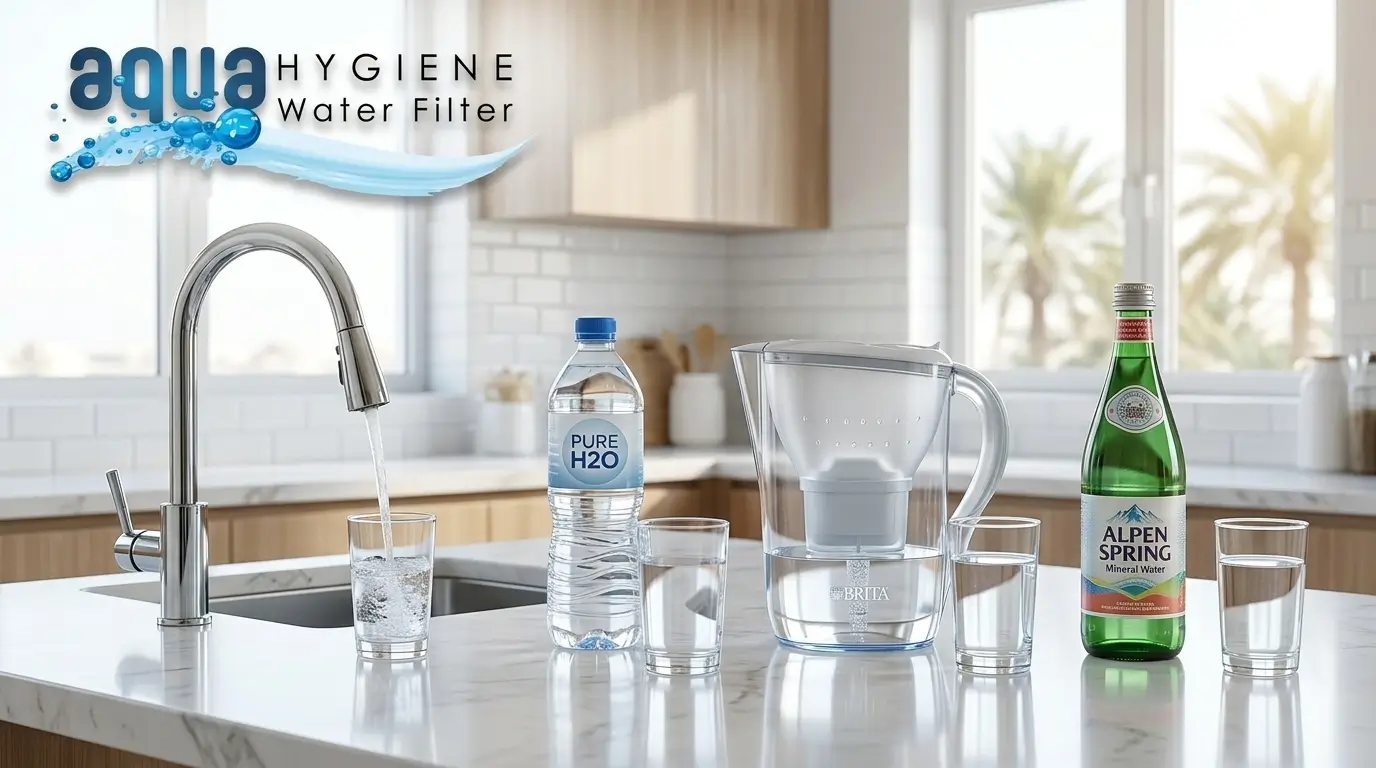
Under-Sink Filters vs. Water Pitcher Filters
Water pitcher filters are suitable for chilled water but lack the comprehensive filtration of under-sink filters, which provide filtration right at the point of entry or use.
Under-Sink Filters vs. Whole-House Filters
Under-sink filters target kitchen use, while whole-house filters, installed at entry, filter water for the entire household. Whole-house filters are more significant, have greater capacity, and adopt different filtration methods.
Under-Sink Water Filter Installation and Maintenance
Installing an under-sink water filtration system is typically a simple DIY process. Steps include detaching tubing, marking the filter location, connecting plumbing fixtures, and testing the unit. Filter replacement depends on the model and must align with the manufacturer's recommendations.
Recommended Under-Sink Water Filters:
Waterdrop 15UA Undersink Water Filtration System:
- Affordable with a five-stage filtration process.
- Removes contaminants like chlorine, fluoride, lead, and heavy metals.
- No electricity is required, and no separate faucet is needed.
Waterdrop WD-G3-W Under Sink RO System:
- Tankless design for easy installation and minimal space requirement.
- High filtration rate, delivering up to 400 gallons per day.
- Seven-stage filtration process with a lighted monitoring panel.
Waterdrop Under-Sink Ultra Filtration System:
- Innovative membrane with a pore size of 0.01 micron.
- Retains beneficial minerals and produces zero wastewater.
- Suitable for emergencies, requiring no under-sink electricity supply.
Waterdrop Under Sink Integrated Dual Carbon Filtration System:
- Advanced carbon block filters adsorb 99% of chlorine, lead, and other heavy metals.
- Battery-driven system with zero waste water production.
- Cutting-edge integrated waterway for easy filter replacement.
Conclusion
Choosing the right water filtration system involves considering your specific needs, available space, and desired level of filtration. Under-sink filters offer a targeted solution for clean water at the point of use, with various models catering to different preferences.
Whether it's the space-saving design, improved water quality, or ease of installation, under-sink water filters provide a reliable solution for households seeking a dedicated and efficient water filtration system.
FAQs
How often is a filter replacement required?
The lifespan of your filter relies on the filtering system your unit adopts.
What kind of maintenance does the product require?
Regular cleaning and occasional filter replacement are typically needed.
Is installation a complicated process?
Installation is straightforward and can be done by following the provided instructions.
Do under-sink filters produce wastewater?
Under-sink filters do not produce wastewater as they use reverse osmosis to filter water without creating waste.
Can under-sink filters remove bacteria and viruses from water?
Some advanced under-sink filters with specific filtration stages can remove bacteria and viruses from water, ensuring clean drinking water.