

Blog
Potassium Chloride Softeners: The Truth Comes Out!

Everyone wants smooth, scale-free water. Nobody wants itching skin after showering or bathing. This is why water softeners are popular. Water softening systems come in many varieties, each with its benefits. We cannot overstate the importance of these systems; therefore, water softeners will be essential for a long time.
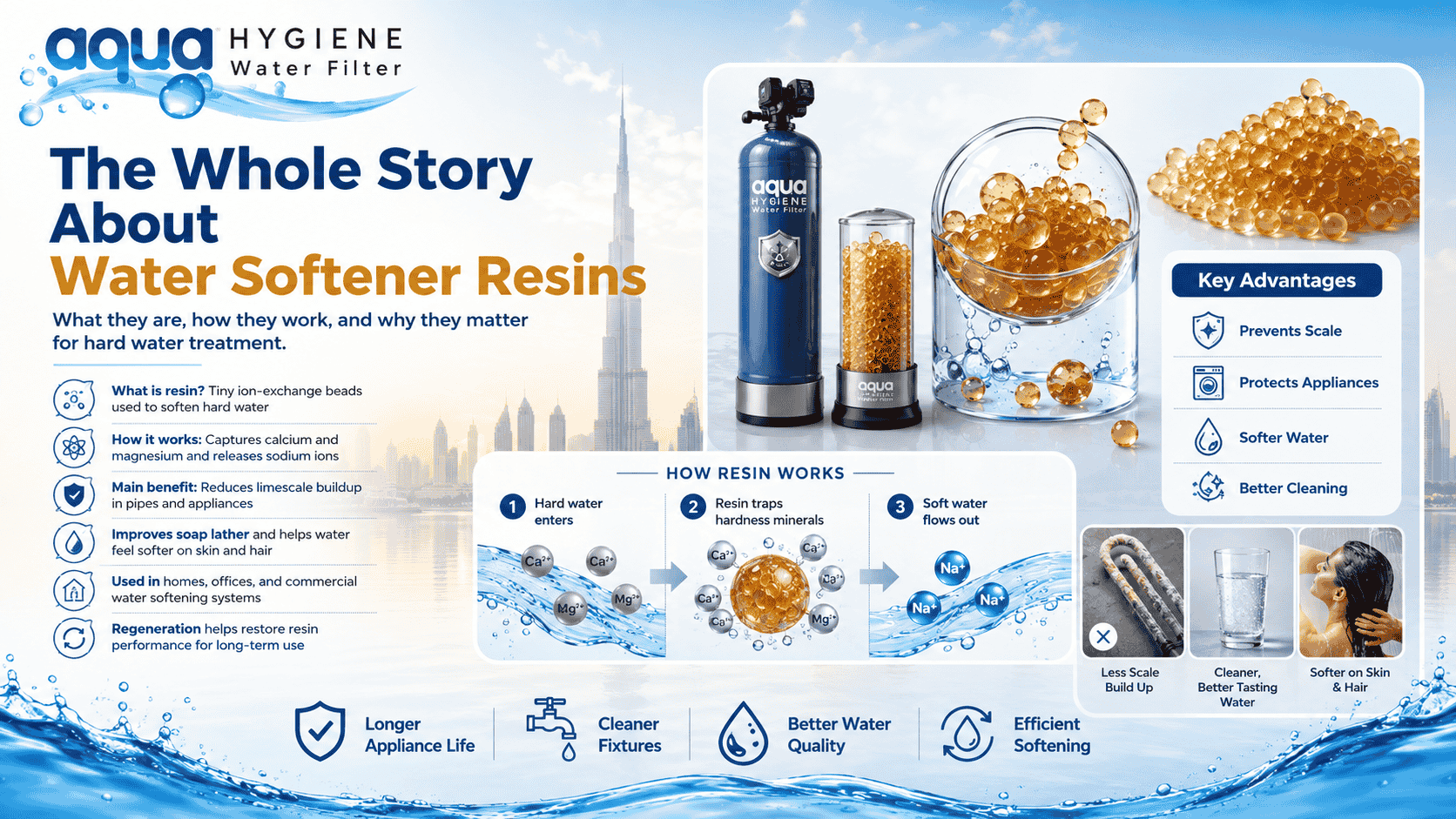
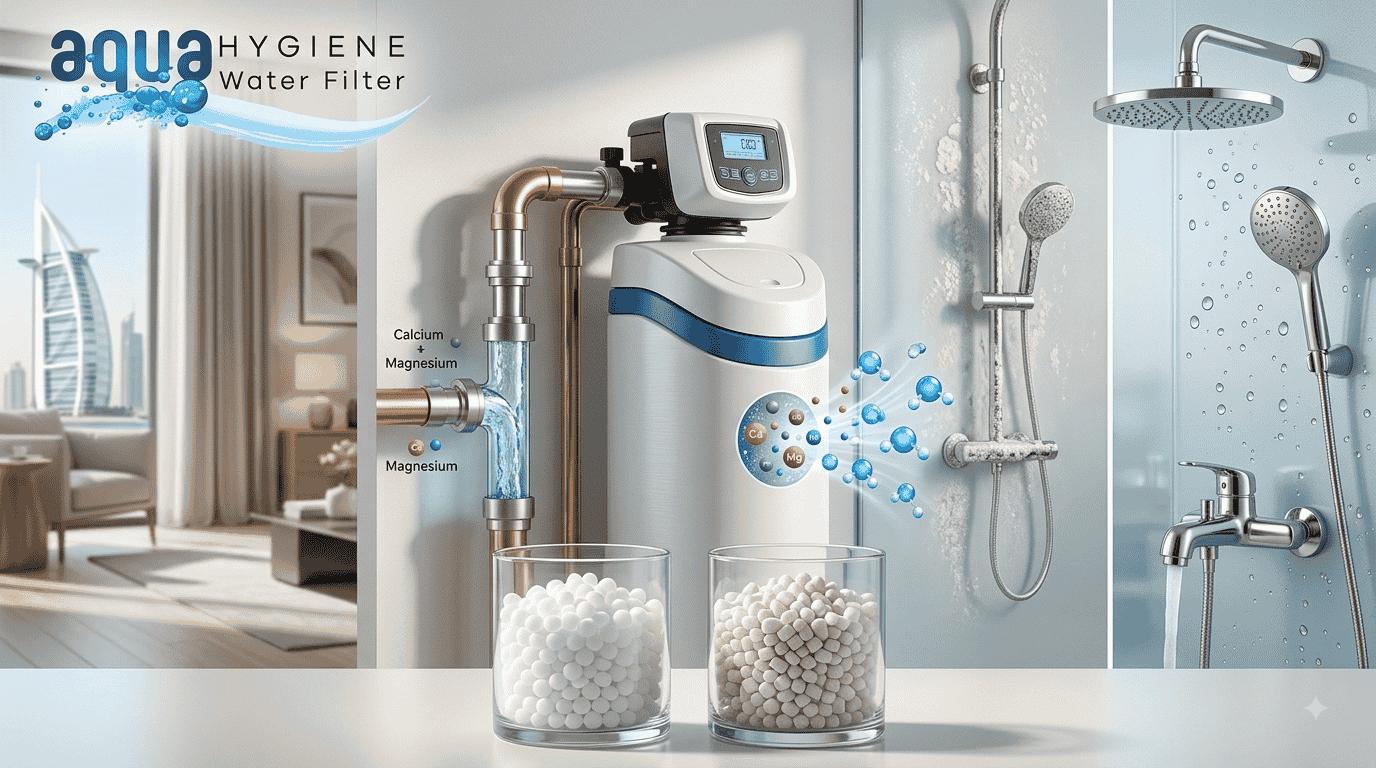
One of the most frequent ways to simplify water is ion exchange. Water is safer and more enjoyable once it removes specific ions. Ion exchange water softeners replace hard water's calcium and magnesium ions with sodium or potassium ions, depending on the salt.
Potassium Chloride: Is It The Best Salt for Water Softeners?
A lot of people need help to pick the right water-softening salt. Many people choose sodium chloride because it is the most common pick. To begin, sodium chloride is easier to find and cheaper than potassium chloride because of this. But drinking softened water with a lot of salt can be bad for your health, especially if you are on a sodium-restricted diet or are at risk for specific health problems. Because of this, more and more people are switching to potassium chloride.
Because it doesn't contain sodium, potassium chloride is a great choice for people who need to watch their sodium intake but still want soft water. But are there any bad things about using softeners with potassium chloride? Let's look into this more.
What You Need to Know About Potassium Chloride Softeners
There are some problems with water softeners that use potassium chloride salt. The cost is the most critical problem. To help you understand better, a bag of potassium chloride pellets can cost up to five times as much as a bag of sodium chloride pellets of the same size. Plus, there's more to worry about.
A potassium chloride water filter requires three times more salt than a sodium chloride one. So, using potassium chloride costs 15 times as much!
If your water softener is ineffective, you might also waste a lot of water during the relaxing process. This can be expensive and bad for the earth.
Pick a Water Softener that Works Very Well
Picking the right salt is as important as picking the right water softener. The water softener's efficiency determines its effectiveness. Even if you use the best salt, your water softener won't work as well if it's not working right.
Several problems can happen when a water filter doesn't work well:
- If the water source is not close to the plant, it uses a lot of water, as most water is wasted.
- Yields a high quantity of brine that is unhealthy to your water system.
- More salt is used in each phase of the regeneration process than in the first type of regeneration.
- Refrain from using electricity primarily by using it in places where it is not supposed to be used.
- Leaves your water still a little bit hard.
- It has to be replaced more often than other alternatives and thus will cost more.
Buying a water softener that doesn't work well can be a mistake that costs a lot—thousands of dirhams yearly.
Water softeners: The Answer
Would you consider getting a water softener that could save you hundreds of dirhams a year? Thanks to technological progress, these kinds of water softeners are now available. The Aqua Hygiene Whole House Water Softener, for example, is made to save you money while giving you great softer water.
With the Aqua Hygiene device, you can drink water that keeps healthy minerals and stops over 99.7% of scale from forming. Aqua Hygiene has experts who can help you pick the right system size for your home.
Also, Aqua Hygiene water softeners don't raise your power bills, release too much brine, or constantly need to be refilled with resins. It doesn't matter what softener salt you use; you'll still save money.
Why Should You Pick Aqua Hygiene Water Softeners?
There are a lot of great things about Aqua Hygiene water softeners that make them an excellent choice:
- You can save up to 70% on water.
- You can save up to 75% on salt, which is the most efficient use.
- Use less power.
- Take out minerals like iron that are bad for your face.
- Add high-quality plastic that is already filled.
- Have a digital metering control head with a high efficiency.
- It comes in a high-strength plastic tank lined with fiberglass that won't rust.
- Add a 5-year warranty from the maker.
- Save you hundreds of dirhams every year!
Final Thoughts
Potassium chloride is more expensive than sodium chloride but is better when used in water softeners. But thanks to improvements in water softener technology like the Aqua Hygiene Whole House Water Softener, you don't have to worry about throwing away money or salt. This clever method fixes your hard water issues and saves you money on your energy bills. With Aqua Hygiene, it's easy to have clean, soft water in your home in the UAE.