
Blog
Is Reverse Osmosis Water Good for Plants in the UAE?

Reverse osmosis (RO) water can be a good choice for indoor plants in the UAE, especially when tap water contains high levels of dissolved salts or minerals that sensitive plants struggle with. It is not a requirement for every plant, and it is not automatically better than tap water in every home. The right choice depends on your plant, your water quality and how you care for the plant afterward.
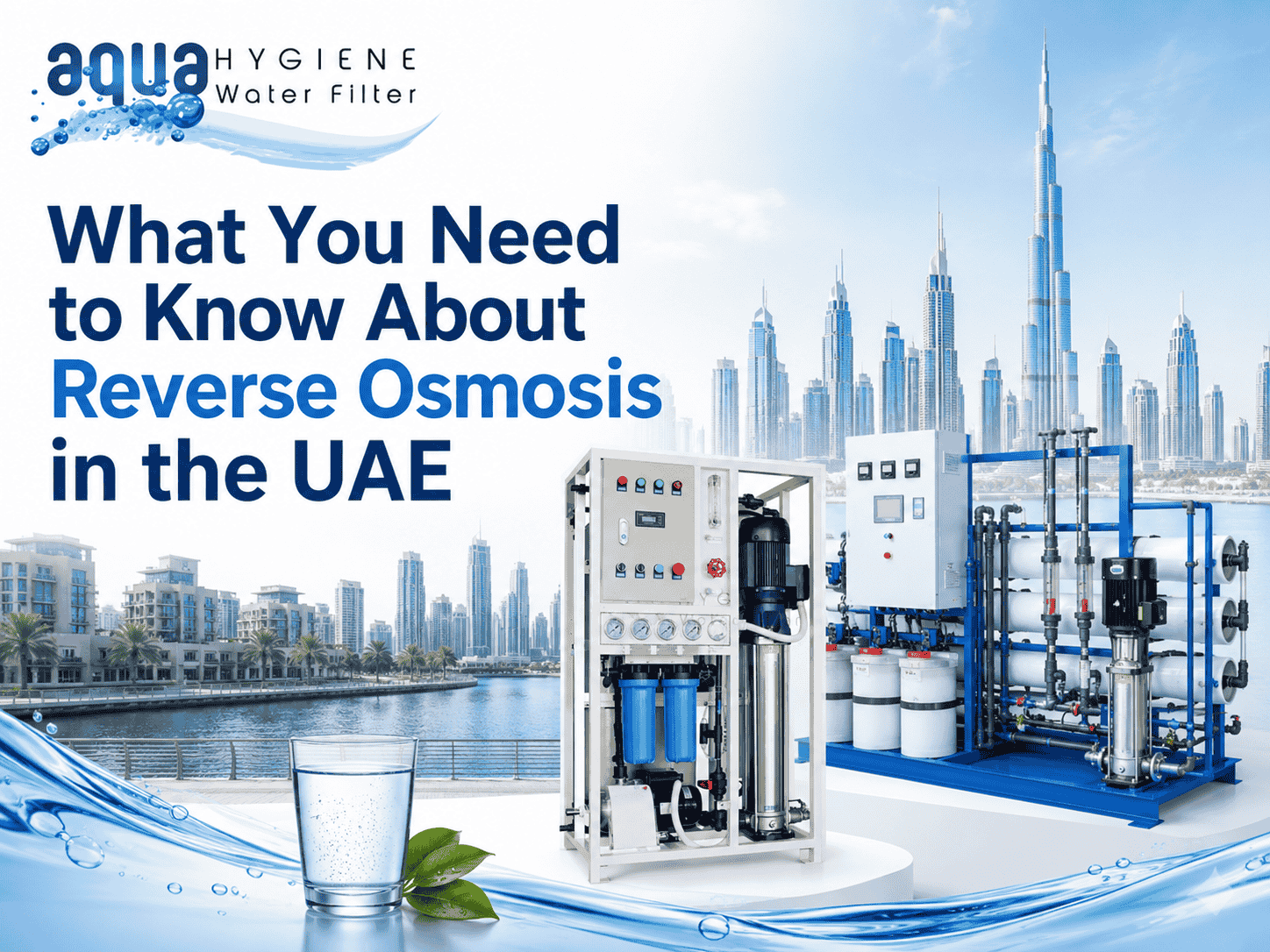
Growing indoor plants in the UAE can be challenging because of intense heat, air-conditioned interiors and differences in water quality. Along with light, humidity and proper drainage, the type of water you use can influence plant health. If you want more background on how the technology works, our guide on reverse osmosis in the UAE covers it in more detail.
How UAE Water Quality Can Affect Plants
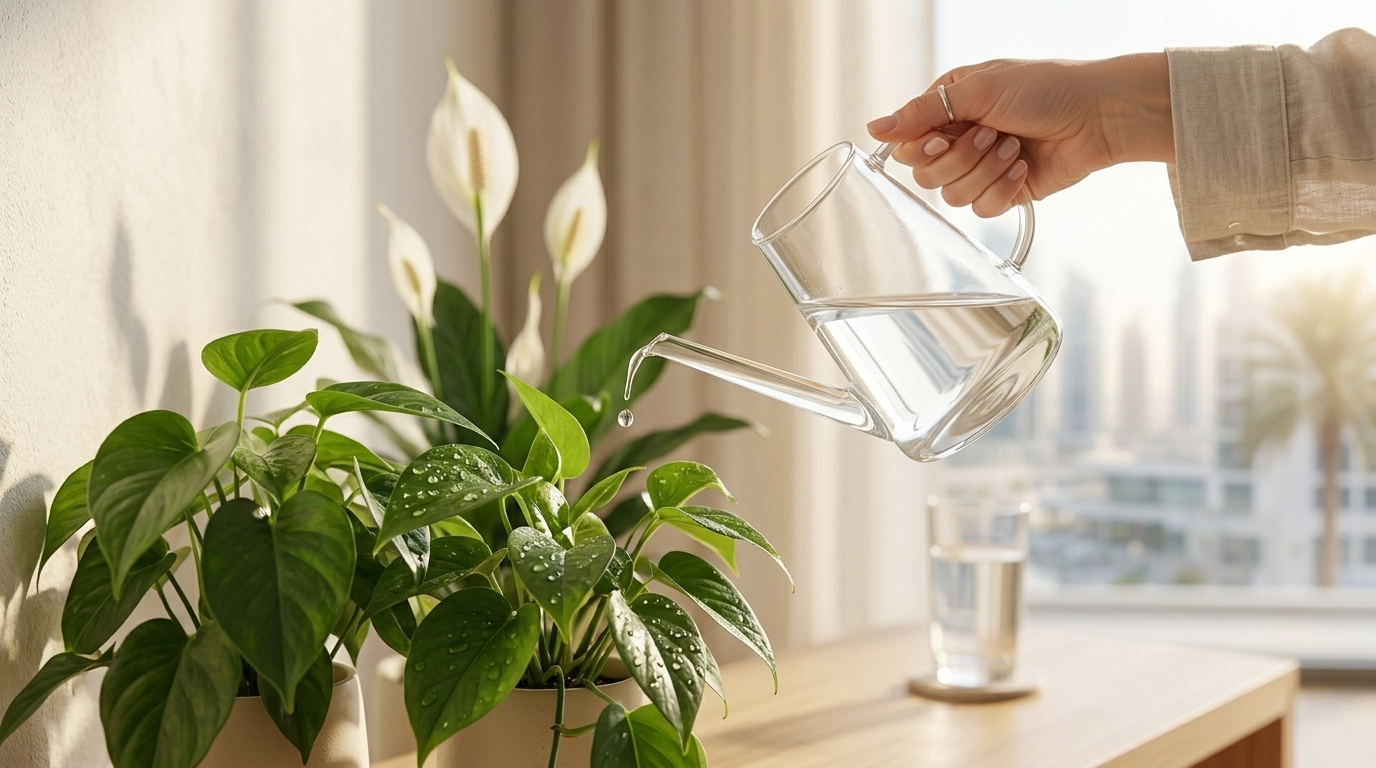
Tap water in the UAE is treated and monitored by local authorities, so it is generally safe to drink. That does not mean it is ideal for every plant. Depending on your building's storage tanks, plumbing and the water's mineral content, tap water can carry dissolved salts, chlorine or mineral residue that some plants tolerate poorly. This is more about plant sensitivity than about the water being unsafe.
Common signs that your water may not suit a particular plant include white mineral crust on the soil surface, brown leaf tips that keep coming back, or slow growth despite a good watering routine.
Benefits of Using RO Water for Plants
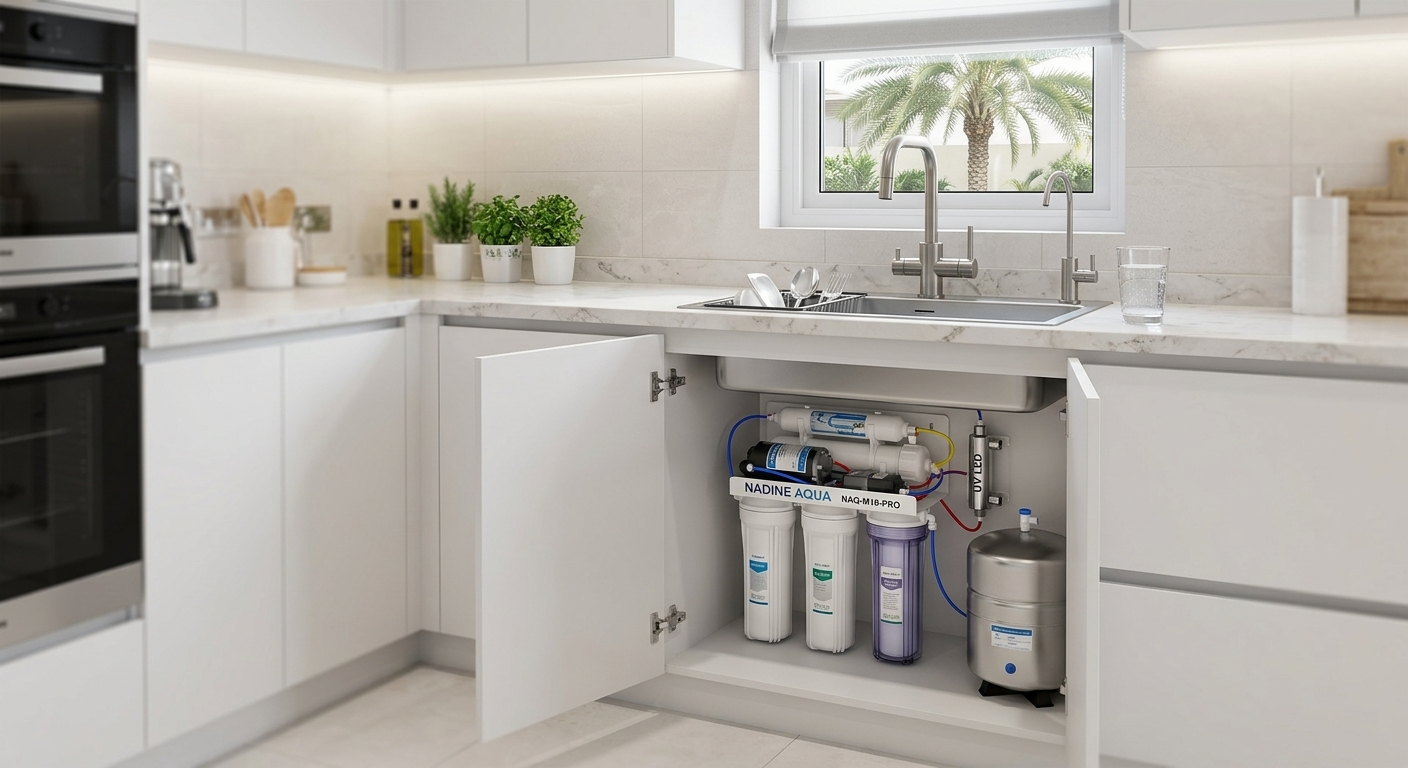
RO systems work by pushing water through a fine membrane that filters out many dissolved substances. A properly designed and maintained reverse osmosis system can significantly reduce many dissolved salts and contaminants, such as chlorine, some heavy metals and other impurities. The exact reduction rate depends on the system, the membrane, the feed water quality and the relevant product certifications, so it is worth checking the specifications of your particular system rather than assuming a fixed percentage.
Because RO water contains fewer dissolved salts, growers have greater control over the nutrients they give their plants. You are starting from a cleaner baseline, which is useful if you want to build a precise feeding schedule. RO water on its own is not a fertilizer, so plants still need suitable potting soil and a balanced feeding routine to stay healthy.
Does RO Water Remove Beneficial Minerals?
Yes, and this is worth understanding before you switch. Calcium and magnesium are natural plant nutrients, and RO treatment removes these along with the salts you are trying to avoid. Moderate levels of calcium and magnesium in irrigation water can actually benefit plants, so watering only with RO water over a long period can leave plants short of these nutrients.
If RO water becomes your main water source, especially for hydroponic setups, plan to add a fertilizer or nutrient solution designed to replace what the filtration process removes.
Which Plants May Benefit from RO Water?
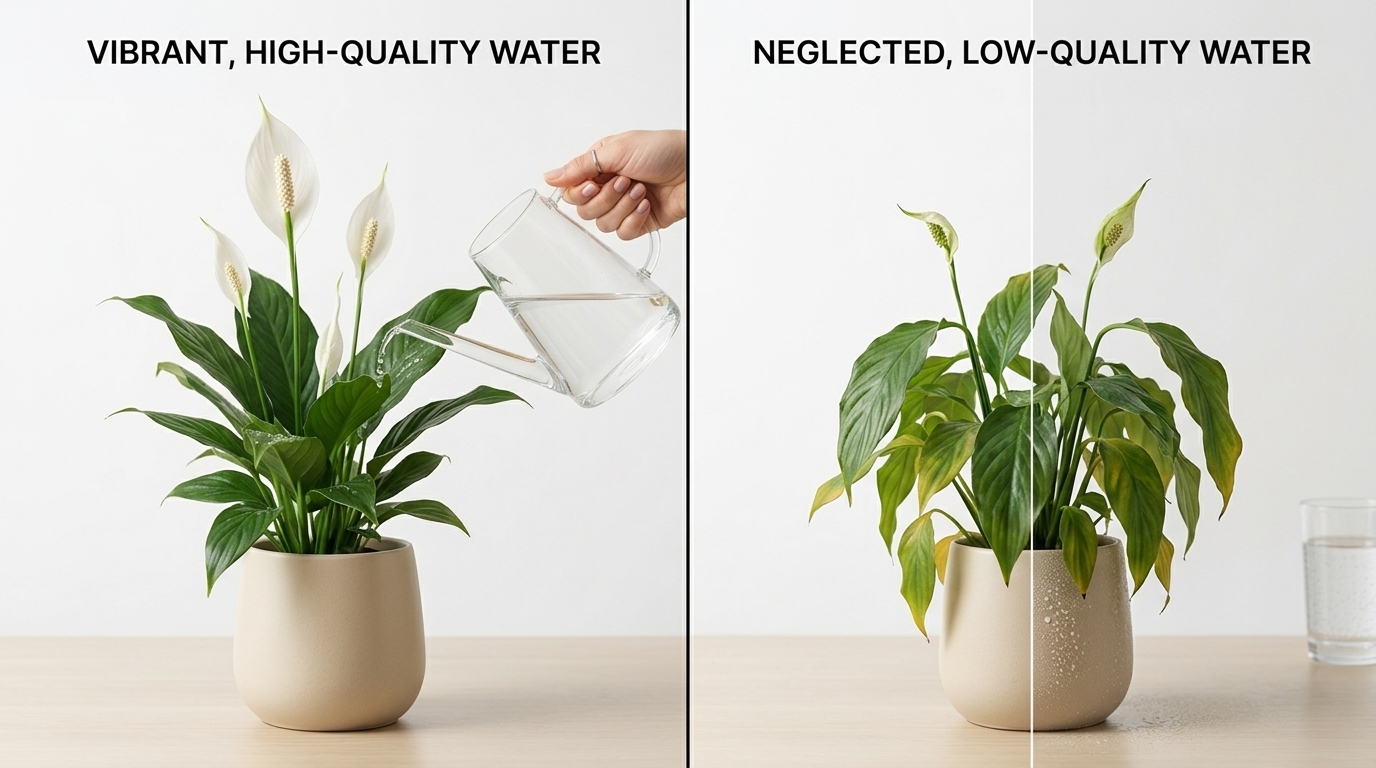
RO water is particularly useful when:
- Tap water has high dissolved salt levels
- A white mineral crust keeps forming on soil or pots
- Leaf tips repeatedly turn brown despite correct watering
- A sensitive plant reacts poorly to the water available to it
- You want precise control over the nutrients your plants receive
- You are growing plants hydroponically
If your plants are already healthy on tap water, there is no need to switch. RO water is a solution for specific problems, not a universal upgrade.
How to Use RO Water Correctly
A few simple habits make a real difference to indoor plants in the UAE, whichever water source you use:
- Check the soil before watering. Only water when the top layer feels dry.
- Water thoroughly and let the excess drain away completely.
- Do not leave pots sitting in drainage water, as this can lead to root problems.
- Watch leaf tips and any mineral deposits on the soil for early warning signs.
- If problems continue, test your water's TDS or EC to understand what you are working with.
- Feed with a balanced fertilizer suited to the plant, particularly if you are using RO water regularly.
- Be careful not to overwater plants kept indoors under air conditioning, as they lose moisture more slowly than plants outdoors.
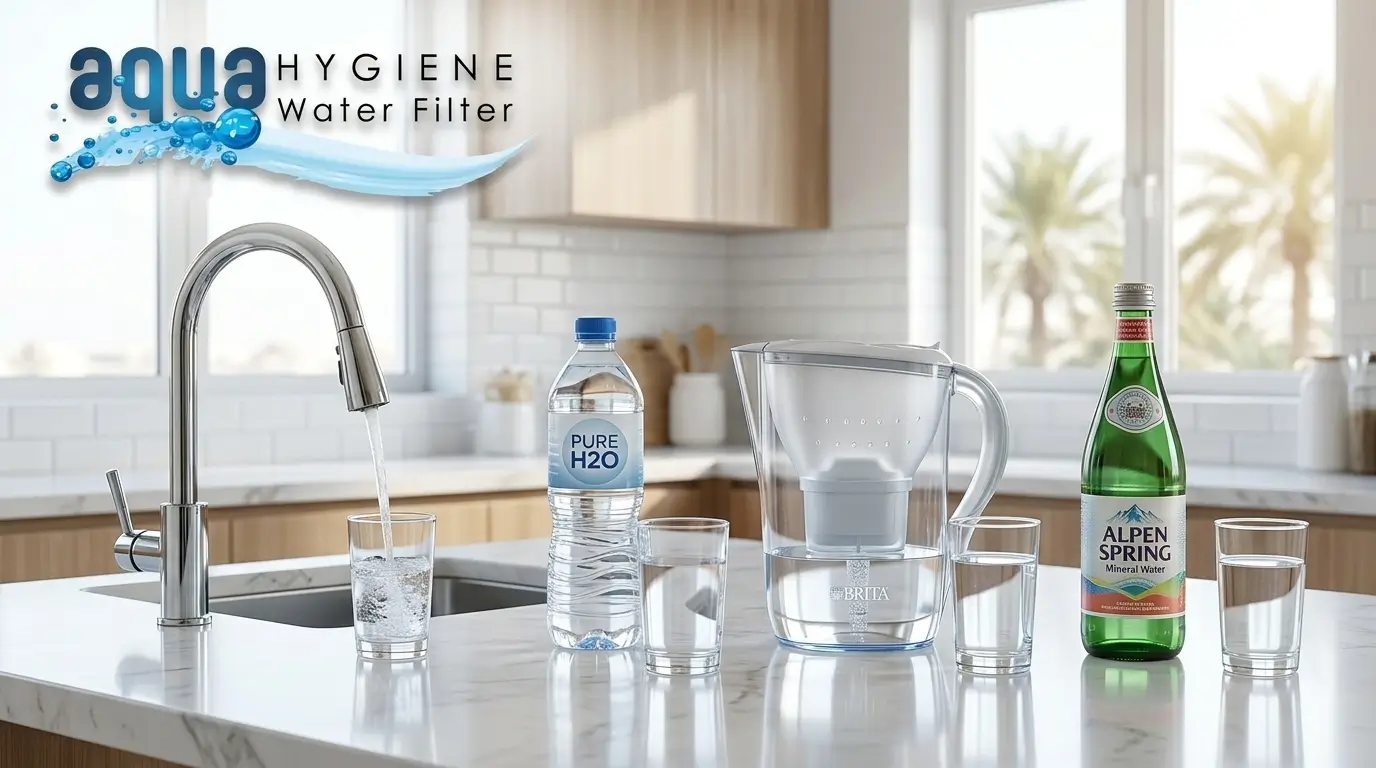
RO Water vs Tap, Distilled and Softened Water
| Water Type | Main Advantage | Limitation |
|---|---|---|
| RO water | Low dissolved salts and greater nutrient control | Contains very few useful minerals |
| Tap water | Convenient and often suitable for tolerant plants | Composition varies by property and plumbing |
| Distilled water | Very low mineral content | More expensive and contains no nutrients |
| Bottled water | Convenient for small collections | Mineral content varies and creates plastic waste |
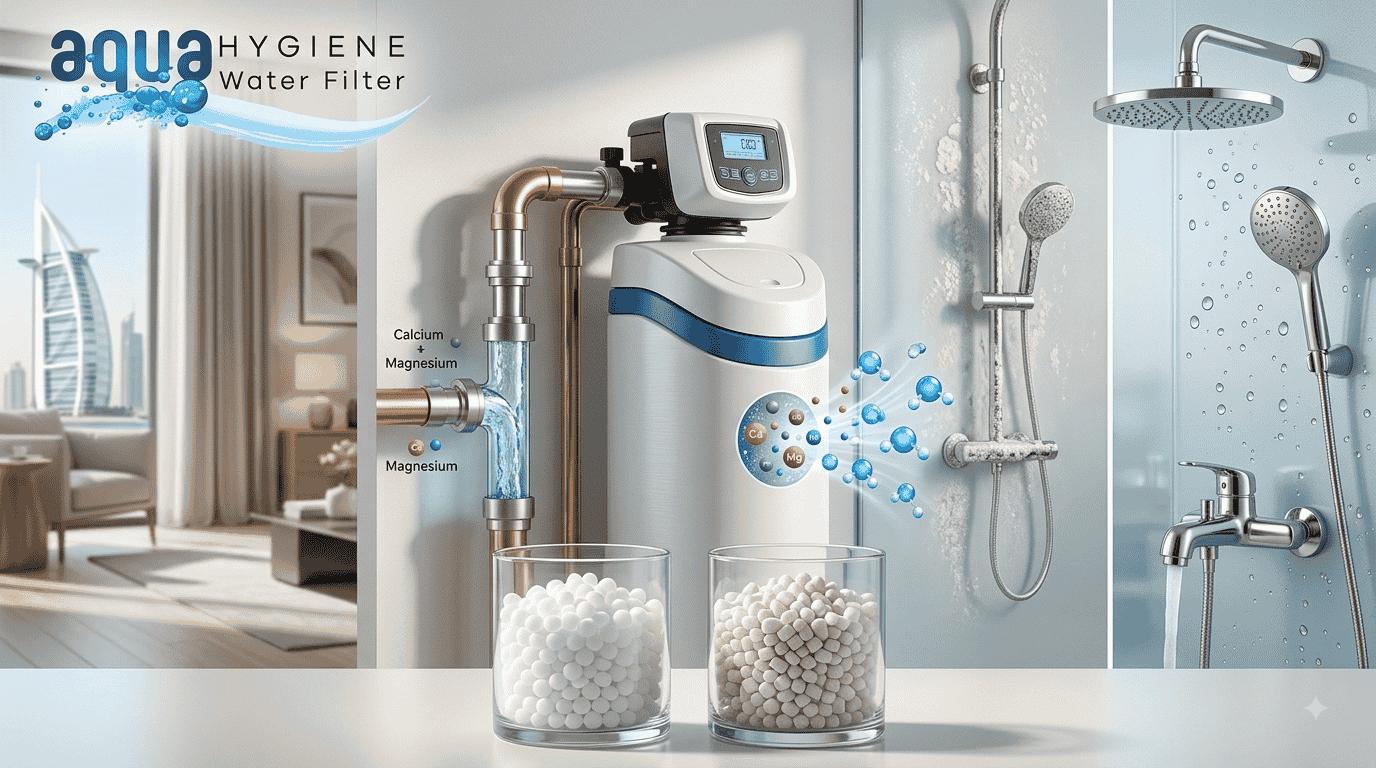
| Softened water | Reduces scale in household systems | Sodium content can be unsuitable for plants |
Water from a salt-based softener is generally not recommended for watering plants, since its sodium content can harm both the plant and the soil over time.
A Note on Indoor Plants and Air Quality
Many people choose indoor plants partly for their appearance and the sense of calm they bring to a room, and there is good reason for that. Some houseplants have shown the ability to absorb certain pollutants in laboratory conditions. However, a typical number of houseplants in a home or office has not been shown to meaningfully improve indoor air quality on its own, so plants work best as a complement to good ventilation rather than a replacement for it.
Frequently Asked Questions
Does RO water make plants grow faster?
Not on its own. RO water gives you a cleaner starting point with fewer salts, but growth still depends on light, fertilizer, soil and overall plant care.
Can I use RO water for all my houseplants?
You can, but it is most valuable for plants that are sensitive to salts or minerals in tap water. For tolerant plants doing well on tap water, switching is optional.
Do I need to add nutrients if I only use RO water?
Yes. Since RO water has very few minerals, plants watered mainly with RO water need a balanced fertilizer to stay healthy, especially in hydroponic systems.
Is UAE tap water safe for plants?
Tap water in the UAE is monitored and treated for drinking. Some plants are still sensitive to its mineral content, storage tank conditions or plumbing, so results vary by property and by plant.
Final Verdict
RO water is a useful tool for UAE plant owners, particularly when tap water is causing visible problems like mineral crust or browning leaf tips. It is not automatically better for every plant, and it works best alongside proper fertilizing and good watering habits. The right approach is to understand your water quality, watch how your plants respond, and adjust from there.
Unsure whether your water is suitable for sensitive indoor plants? Aqua Hygiene can test your water and recommend an RO solution based on its actual TDS and mineral content. Contact us for a free assessment in Dubai and across the UAE.