

Blog
The Best Ways to Clean Upholstery in the UAE with Soft Water

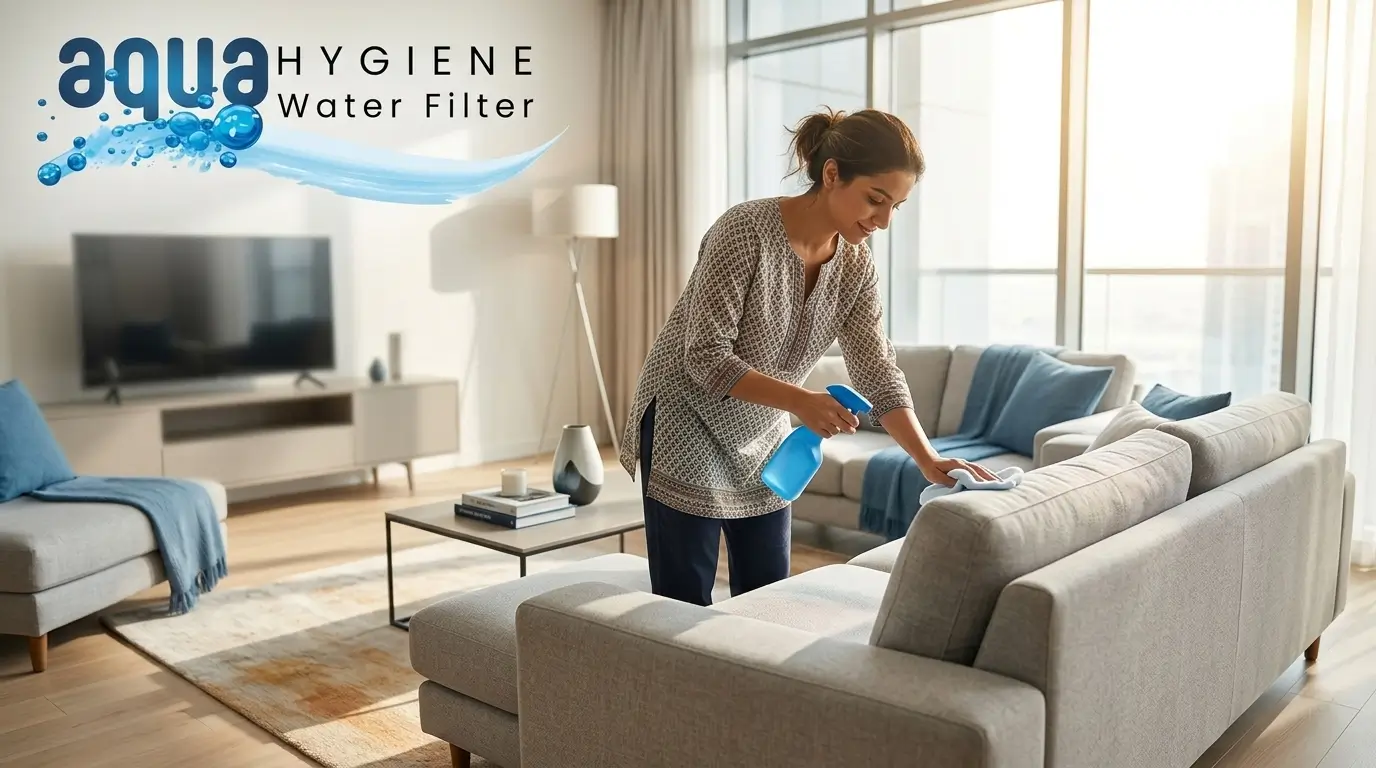
Most people vacuum their carpets and mop their tiles without a second thought, but upholstery gets skipped far too often. Couches, loveseats and other fabric furniture are where we actually spend most of our time at home, yet they quietly collect dirt, sweat, skin cells and pet dander for months before anyone notices.
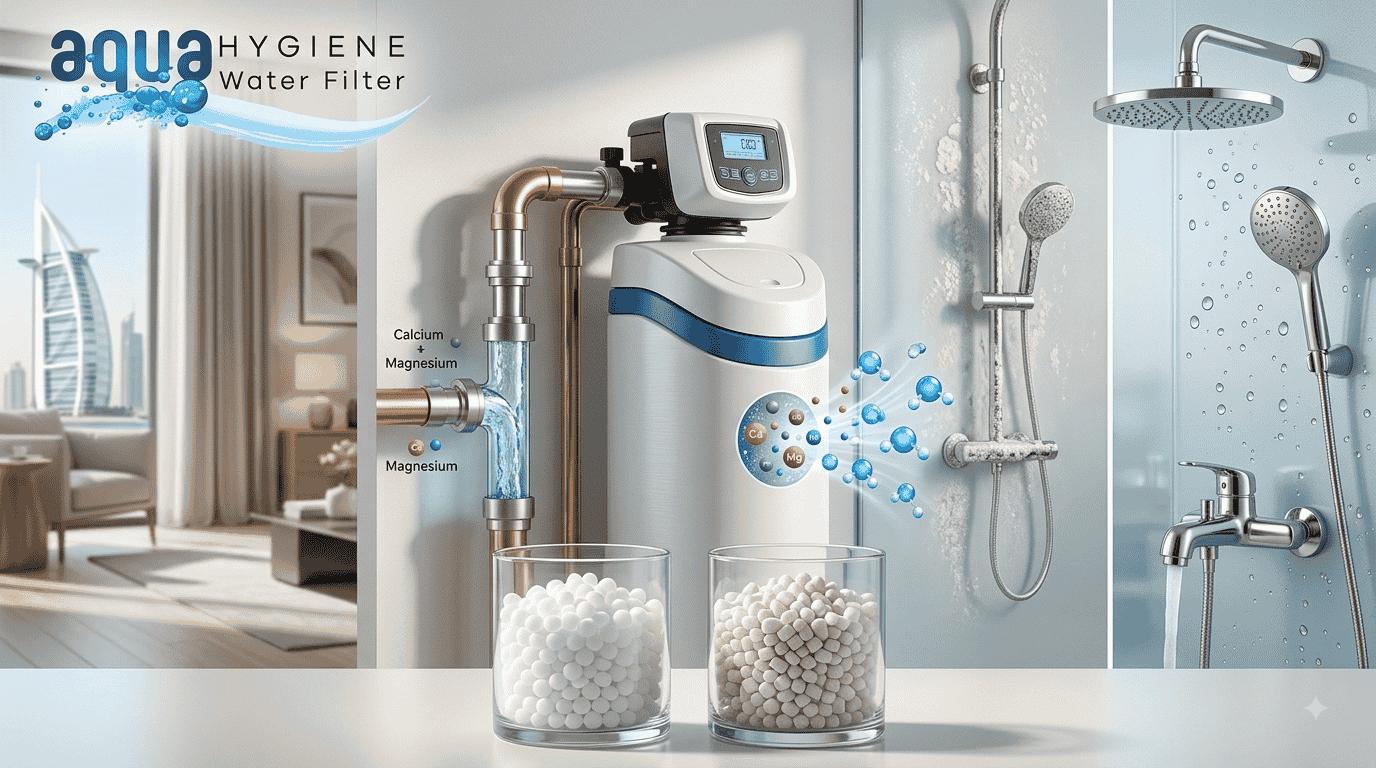
This guide walks you through cleaning upholstery properly using soft water, and it matters more than you might think if you live in the UAE. Water across Dubai and the wider UAE runs hard, which means the water coming out of your tap is loaded with dissolved calcium and magnesium. If you're not sure how hard your water actually is, a quick TDS test will tell you, and if the reading comes back high, a whole house water softener fixes the problem at the source rather than just for your furniture. The steps below are simple, and the tools you need are affordable and easy to find.
Tools You'll Need
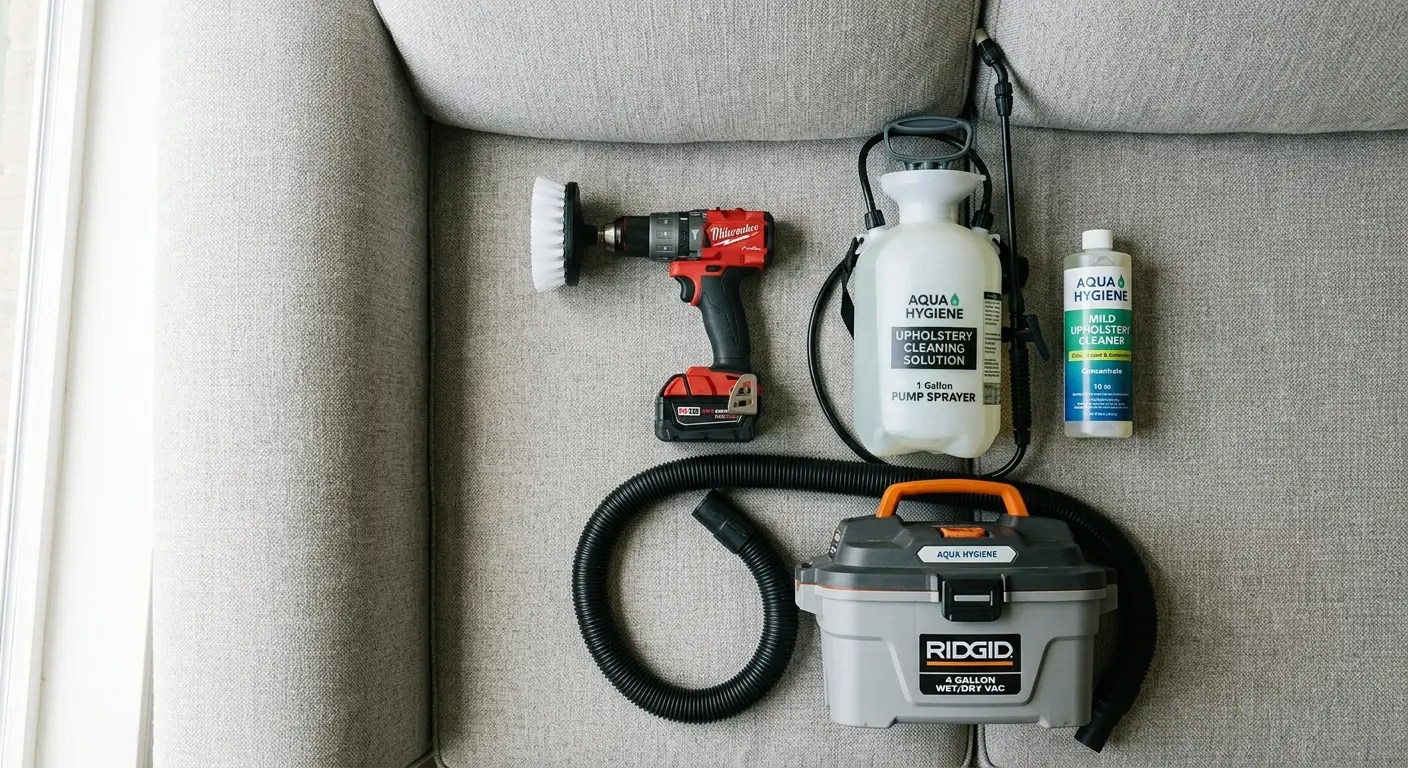
- A drill with a spinning brush attachment
- A garden sprayer, either 16 oz or 1 gallon
- A mild upholstery cleaning solution
- A wet/dry vacuum
Steps To Follow
Step 1: Vacuum Thoroughly
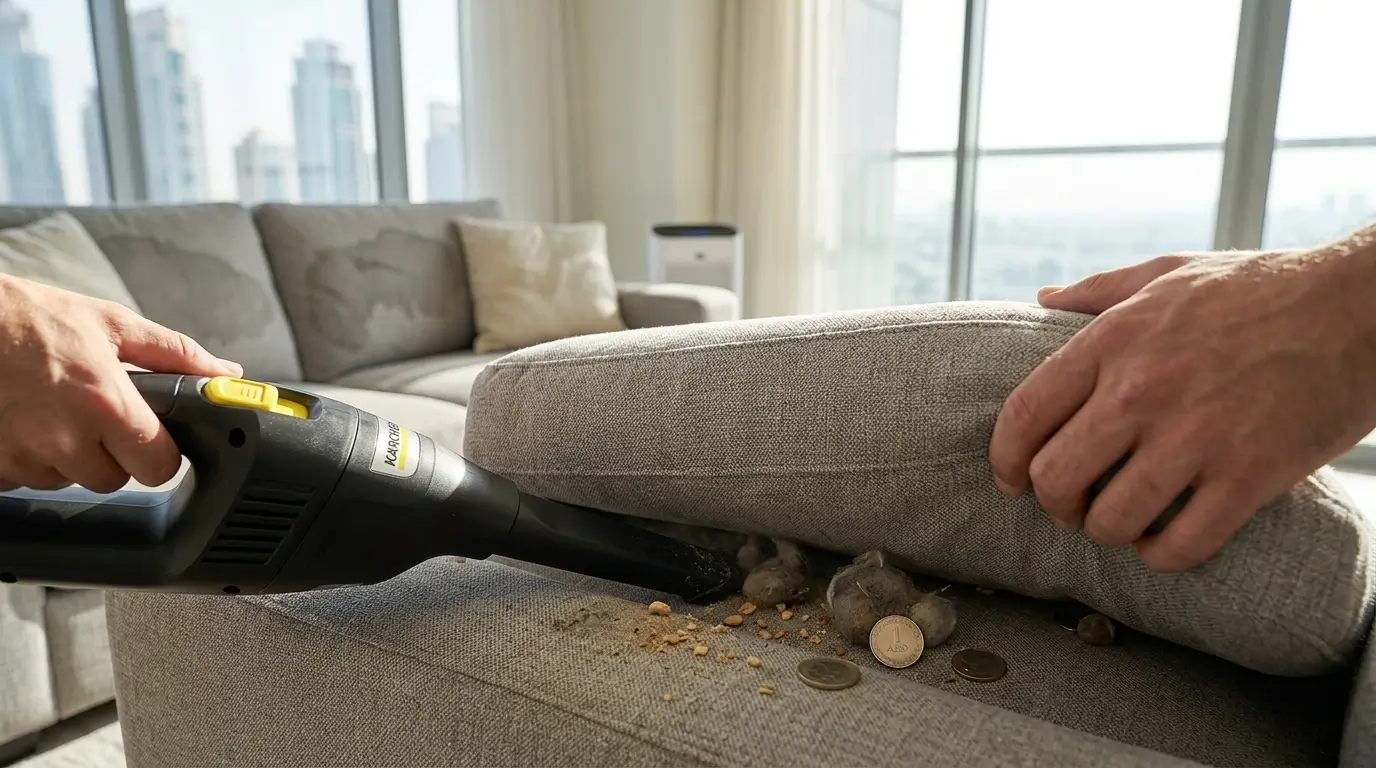
Start by vacuuming the furniture properly. Check the usual spots people forget, down the back of the cushions, in the folds, under loose change that's fallen between the seats. Getting as much loose dirt out as possible before you apply any liquid matters more than people realise. Dry dirt vacuums out easily. Once it's wet, it turns to mud and becomes far harder to shift.
Step 2: Prepare the Cleaning Solution
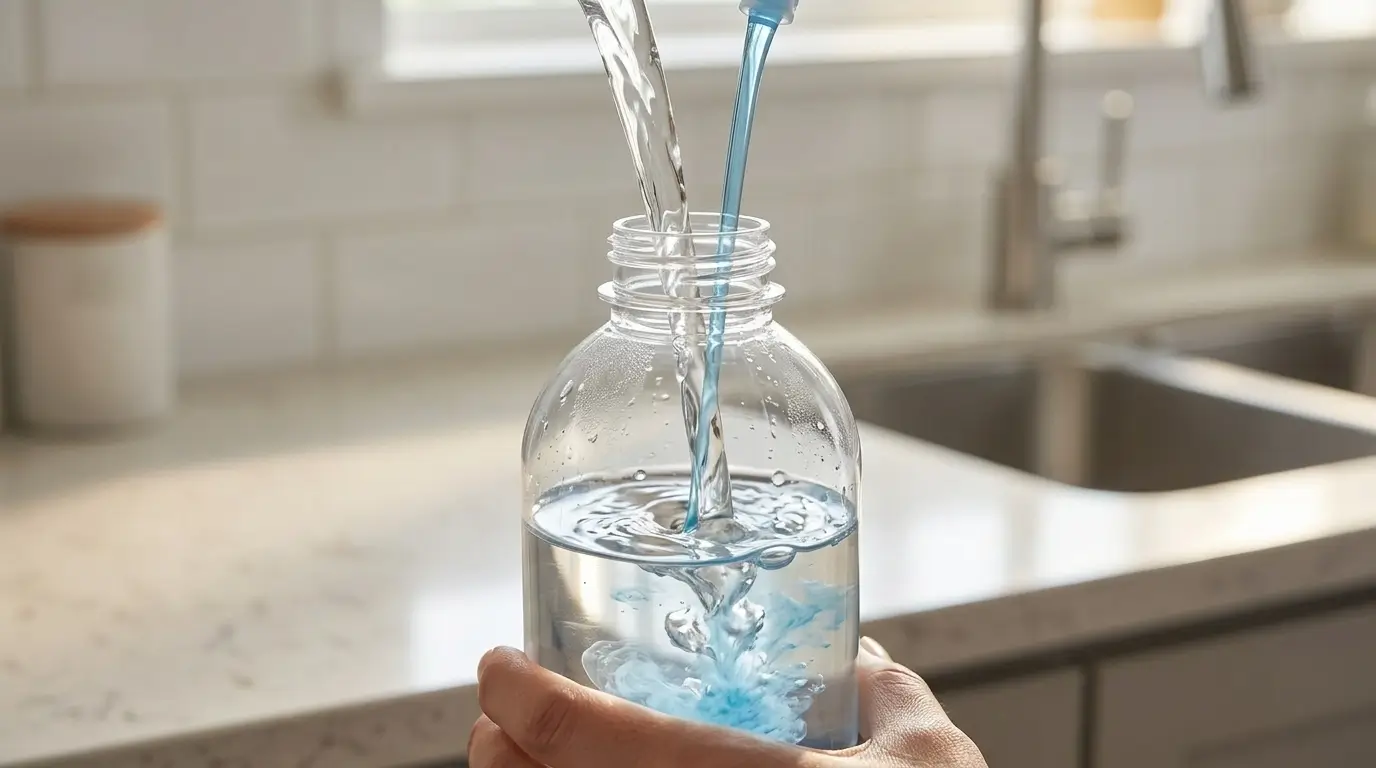
How you mix your solution depends on how dirty the furniture is and what kind of fabric you're working with.
A good starting ratio is roughly three parts soft, pre-treated water to one part upholstery cleaner in your spray bottle. This matters more in the UAE than in most places, because hard water leaves mineral deposits, mainly calcium and magnesium carbonate, that show up as a white residue on fabric once it dries. Softened water avoids this. Since the calcium and magnesium have already been swapped out through ion exchange, your cleaner works the way it's meant to and rinses away cleanly instead of leaving scale behind on the fabric.
Step 3: Spray the Furniture
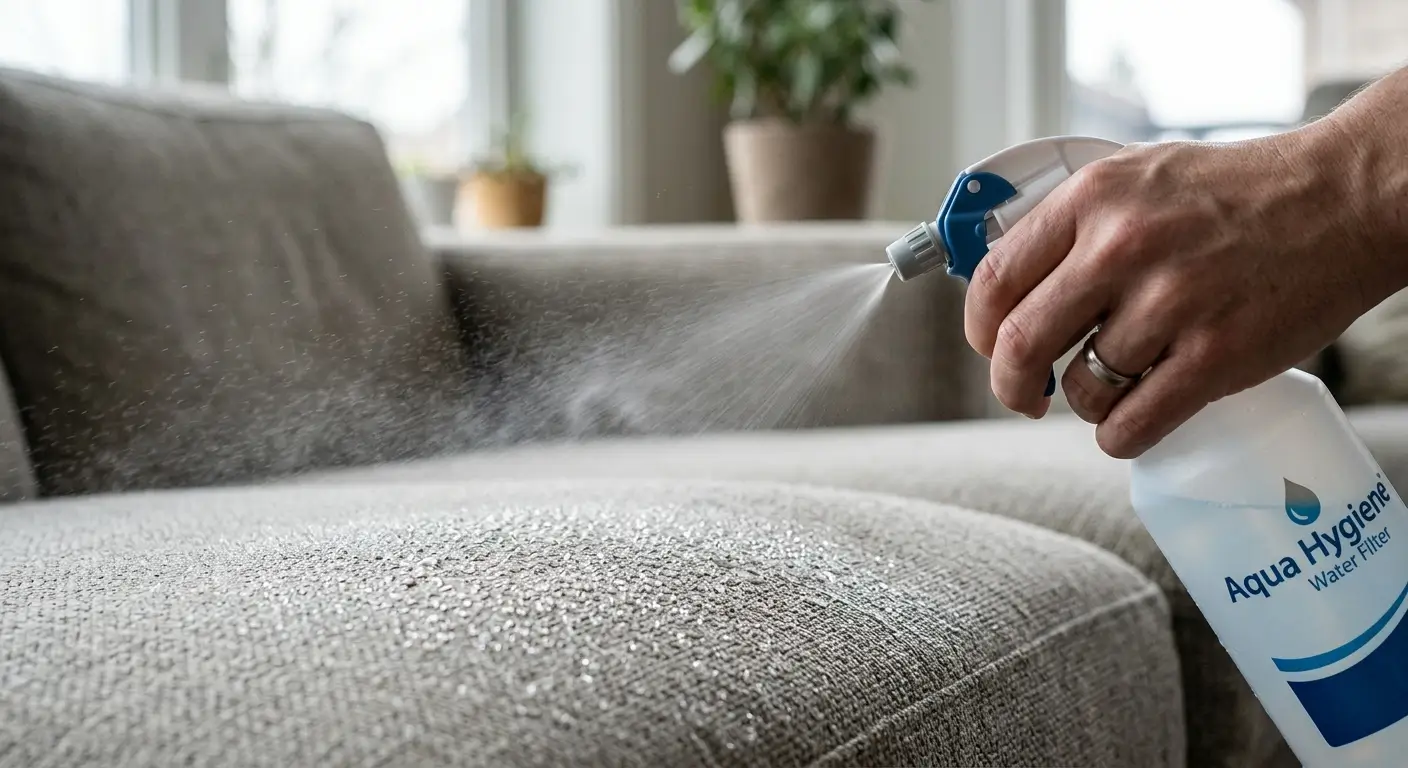
Once your solution is ready, spray it lightly over the fabric, just enough to look like morning dew on grass. Don't soak the material. Over-wetting upholstery slows down drying time significantly, and fabric left damp for too long can warp, mildew or come away from its backing.
Step 4: Scrub with the Drill Brush
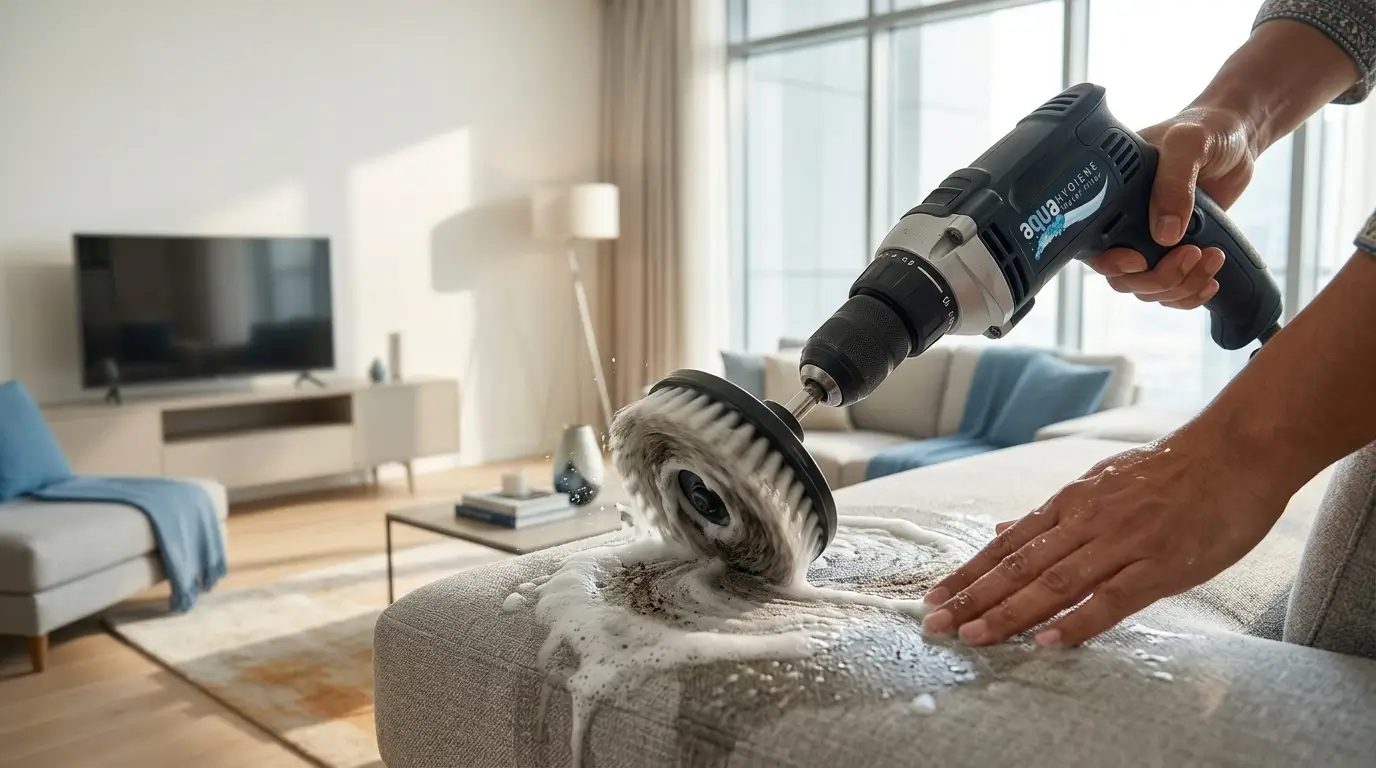
Attach the spinning brush to your drill and work it over the fabric in short, controlled passes, going over each section a few times in one direction and then back across it. This works the cleaner down into the fibres where the dirt is actually sitting, rather than just skimming the surface.
Step 5: Vacuum It Out
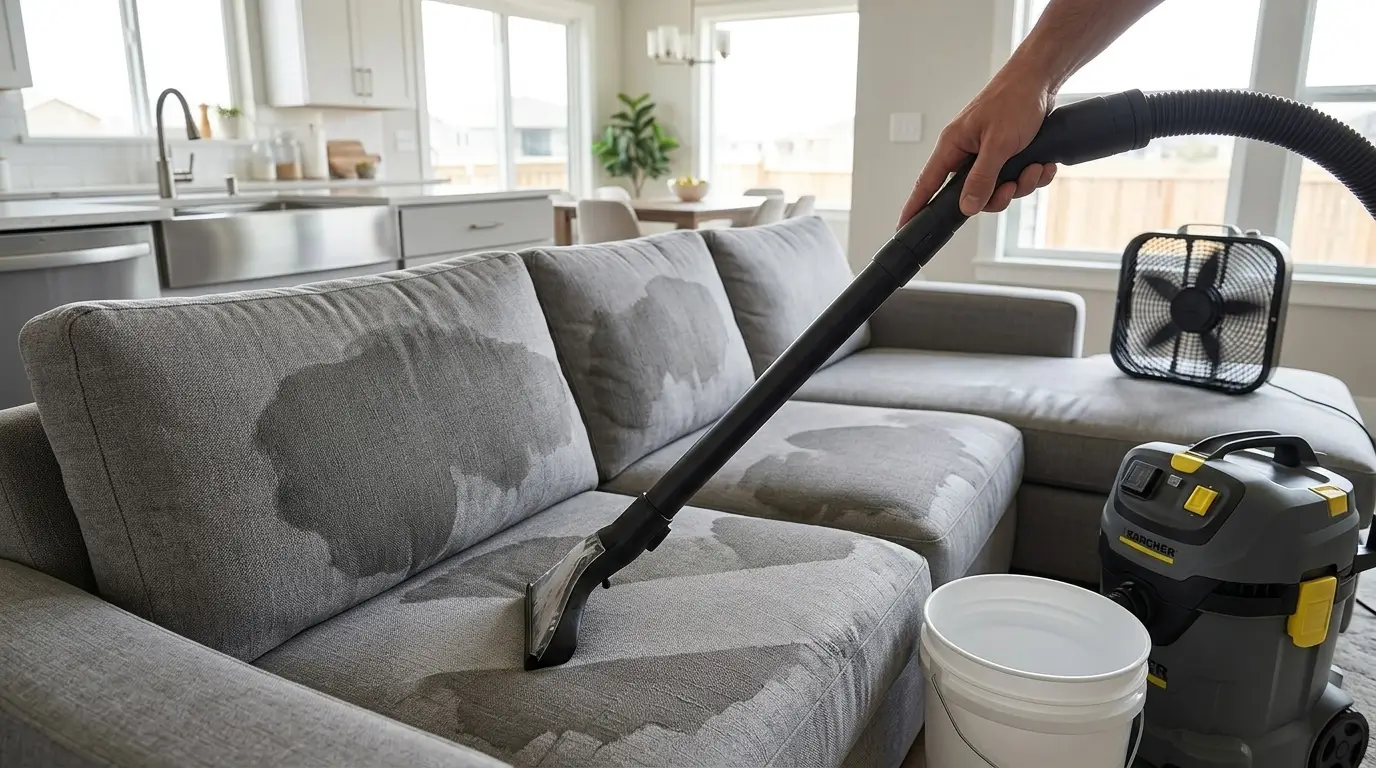
Once you're done scrubbing, go over the whole area with a wet/dry vacuum to pull out the moisture, cleaner and loosened dirt together. Work in overlapping passes so you don't miss patches. Pointing a fan at the furniture afterward speeds up drying and helps avoid any musty smell setting in.
A Few Extra Tips
This method works well on couches, loveseats, office chairs, small rugs, car seats and even church pews. That said, always check the manufacturer's care label first. Some fabrics don't handle wet cleaning well, and using the wrong method can damage material that would otherwise have been fine.
Final Thoughts
Cleaning your upholstery with soft water is a simple habit that pays off. With a proper vacuum first, the right cleaning mix, and the right tools, you can lift out dirt and grime that's been sitting deep in the fabric for months. Soft water makes the whole process easier too, since your cleaner does its job properly instead of fighting against mineral buildup.
Keep this up regularly and your furniture will hold its colour, feel and shape for a lot longer. It's a small task that makes a noticeable difference to how your home looks and feels day to day.