Blog
Safeguarding Drinking Water: Effective Removal of Viruses

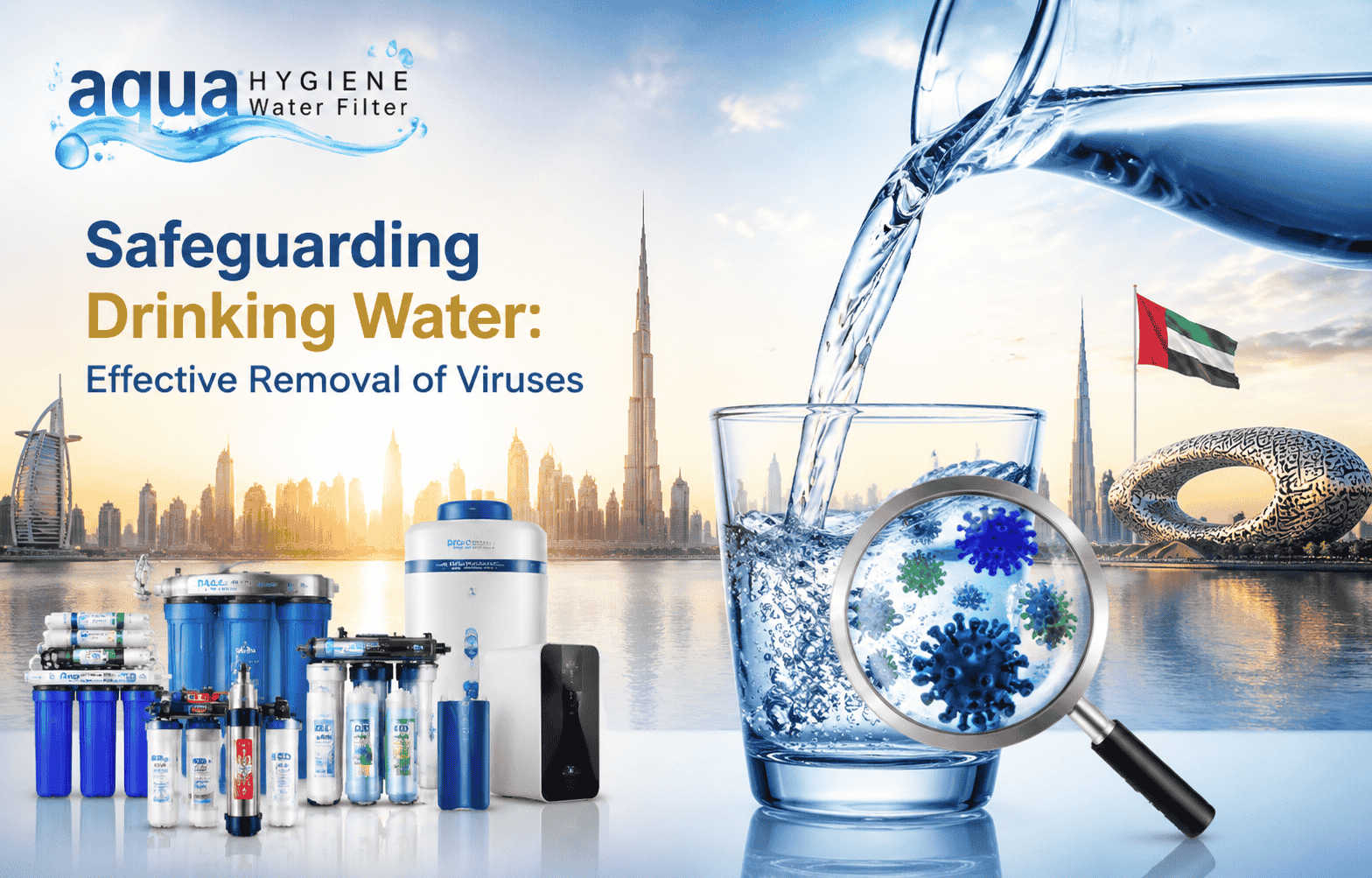
Ensuring the safety of drinking water is crucial for protecting public health. Waterborne viral pathogens pose significant risks worldwide, causing a range of diseases. This article explores the sources of viral contamination in water, the adverse effects of viruses on human health, diseases associated with contaminated water, the survival period of viruses in water, their spread, and effective methods for removing viruses to safeguard drinking water.
1. Sources of Viral Contamination in Water
Various sources contribute to the presence of viruses in groundwater. Hospital sewage, landfill leachate, and domestic sewage are among the primary sources. Untreated sewage, if not adequately sterilized, can introduce contaminants into the vadose and saturated zones.
Additionally, leaks from sewer pipes or river embankments can result in viral water contamination. Re-irrigation after sewage treatment and inadequate animal husbandry practices also contribute to the problem.
2. Adverse Effects of Viruses in Water
Viruses possess high survival rates, trim sizes, and full infectivity, making them formidable waterborne microorganisms. Even a few virus particles can lead to complete infection within the human body. Common viruses found in groundwater include:
- Hepatitis A
- Poliovirus
- Norovirus
- Gastrointestinal
- ECHO
Others can cause acute gastroenteritis, infectious hepatitis, jaundice, and rabies. These illnesses can have severe consequences for human health.
3. Diseases Associated with Contaminated Water
A comprehensive examination of disease outbreaks reveals a strong link between contaminated groundwater and public health issues.
Records indicate that a significant proportion of disease outbreaks and reported cases in America between 1946 and 1977 were attributed to contaminated groundwater. Septic and cesspool overflows were the primary cause of outbreaks, while untreated groundwater from non-municipal systems accounted for many cases. Specific instances, such as a gastroenterological outbreak in a Florida settler camp and a poliovirus outbreak in a Michigan restaurant, highlight the dangers of waterborne viruses.
4. Survival Period of Viruses in Water
Determining the exact survival period of viruses in natural water is challenging due to the variability in factors affecting their persistence. Nevertheless, research indicates that certain viruses can survive in groundwater for at least 18 to 28 days, with laboratory experiments confirming their presence for over 20 days in drinking water. Stable temperatures and the absence of sunlight exposure in groundwater aquifers provide an ideal environment for viruses to endure for extended periods.
5. Spread of Viruses in Water
Due to their small size, viruses can migrate easily through groundwater and soil. Even the smallest clay pores do not impede the passage of most viruses, allowing them to move freely.
Epidemiological evidence suggests that viruses, including hepatitis A, can contaminate well water in various areas surrounding the source of pollution. Moreover, viruses can travel long distances within groundwater, subject to hydrogeological conditions, surface water flow, and saturation. Understanding these factors is vital in comprehending the migration patterns of waterborne viruses.
6. Methods for Removing Viruses from Water
Several methods exist for effectively removing viruses from water:
- Boiling: Boiling water at 100 degrees Celsius is a traditional and widely used method for water treatment. It inactivates or kills viruses, but boiling at higher altitudes may require more time. Boiling until the water reaches the boiling point is generally sufficient, but complete bacterial inactivation may only sometimes occur.
- Distillation: Distillation involves heating water until it vaporizes and then condensing the vapor back into liquid form. This method effectively removes viruses, but it is more laborious than boiling.
- Ultrafiltration: Ultrafiltration is a water treatment method that effectively removes viruses by utilizing pressure and specialized membranes. These membranes possess specific pore sizes that permit the passage of small molecular solvents while capturing larger macromolecular solutes, including viruses. Typically ranging from 0.05 um to 1 nm, the membrane's pore size determines the efficiency of ultrafiltration. However, it is essential to acknowledge that some viruses may still be able to evade filtration if their size falls within the range of the membrane's pores.
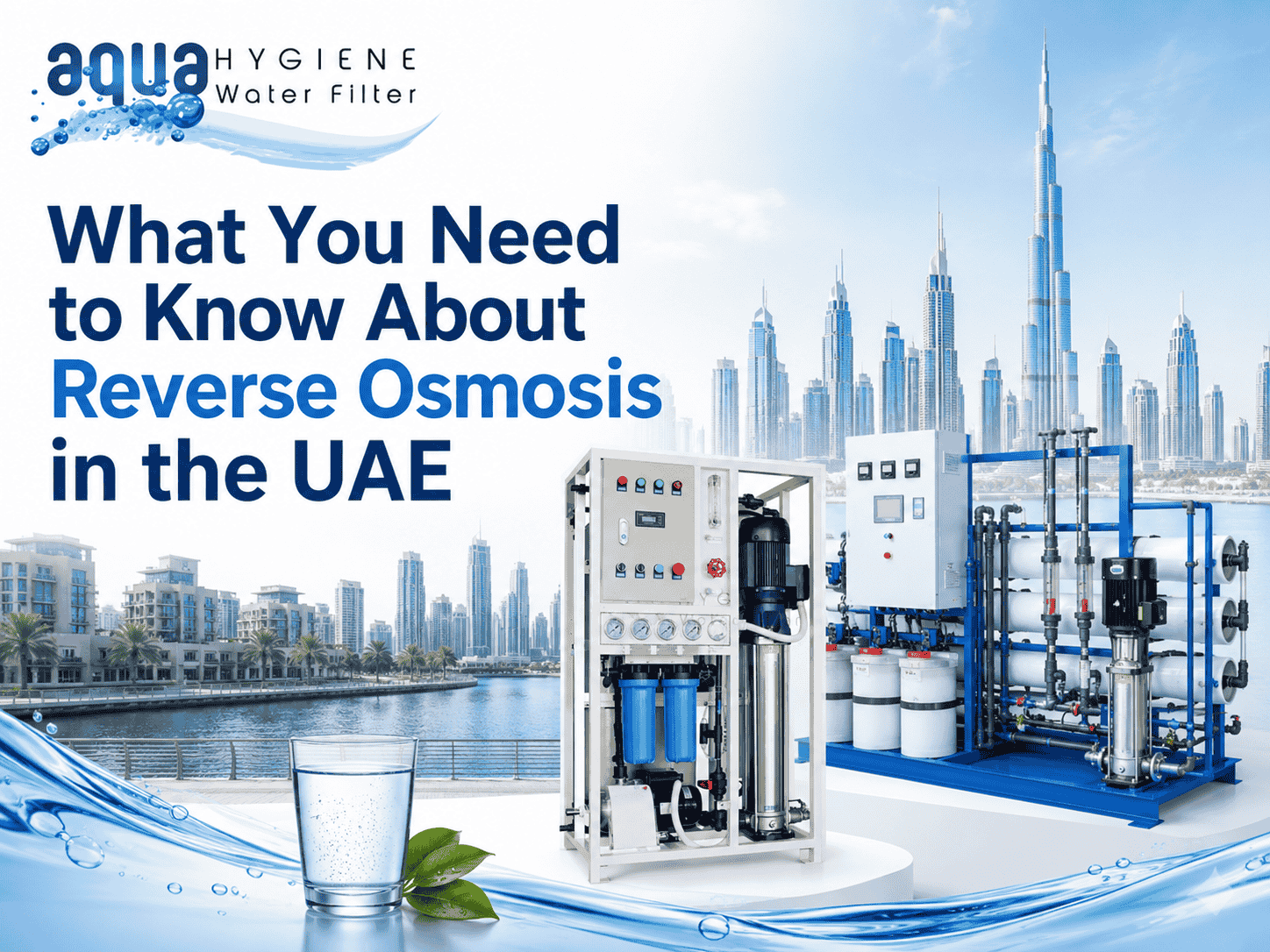
- Reverse Osmosis: Reverse osmosis (RO) employs a membrane as a filter element. However, the filtration accuracy of RO systems is even higher than that of ultrafiltration, usually ranging from 0.001 to 0.0001 microns. This level of precision enables RO systems to effectively remove bacteria, viruses, heavy metals, and other impurities from water. In addition to virus removal, RO systems provide comprehensive filtration for enhanced water safety.
Disinfection Techniques
Apart from filtration methods, disinfection techniques are vital in removing viruses from water. Chlorination, UV (Ultraviolet) disinfection, and ozone treatment are commonly employed methods:
- Chlorination
Chlorine-based disinfection is widely used to eliminate viruses and other microorganisms in water. Adding chlorine or chlorine compounds to water can effectively inactivate and kill viruses. However, it is essential to maintain the appropriate chlorine concentration and contact time to ensure efficient disinfection.
- UV Disinfection
UV disinfection employs ultraviolet (UV) light to target and disrupt the genetic material of viruses, preventing their ability to replicate and cause infections. This process effectively neutralizes a broad spectrum of viruses and bacteria, all without the need for chemical additives. UV disinfection is recognized as a safe and environmentally friendly approach to water treatment.
- Ozone Treatment
Ozone treatment involves injecting ozone gas into water, which reacts with the pathogens and breaks down their cellular structure, rendering them inactive. Ozone is known for its high disinfection efficiency and ability to treat large volumes of water.
Conclusion
Protecting drinking water from viral contamination is crucial for safeguarding public health. Understanding the sources, adverse effects, diseases associated with contaminated water, survival periods, and spread of viruses helps identify effective methods for their removal.
Filtration techniques like boiling, distillation, ultrafiltration, and reverse osmosis offer reliable virus removal capabilities. Complementing filtration with disinfection techniques such as chlorination, UV disinfection, and ozone treatment enhances the overall effectiveness of water treatment systems.
We can ensure safe and clean drinking water for communities worldwide by employing appropriate virus removal methods.