

Blog
The Impact of Water Quality on the Taste of Coffee: A Comprehensive Guide


The world's three significant beverages, tea, coffee, and cocoa,rely heavily on water as a fundamental ingredient. In particular, water quality is crucial for coffee as it constitutes 99% of a cup.
But even more important than this is the water that's used: not only is water essential for brewing your perfect cup, its composition and temperature can drastically affect its flavor. In this post, we will delve into how water quality can influence coffee's tasting experience, from discovering precisely what 'water quality' means to what effect specific minerals will have on your daily brew!
1. How Does Water pH Affect Coffee Taste?
The acidity and alkalinity of water are determined by its ion content, specifically hydrogen and mineral ions. Coffee is a weakly acidic drink, typically with a pH of 5-6. Using water with a higher pH during brewing can reduce the coffee's acidity and alter its flavor. However, the choice of water pH depends on personal preference. Some may find higher pH water diminishes the coffee's original flavor, while others prefer a milder taste.
2. How Does Water Hardness Influence Coffee Taste?
Water hardness refers to the presence of calcium and magnesium ions in water. Soft water contains minimal or negligible amounts of soluble calcium and magnesium compounds, while hard water is rich in these minerals. The distinction between soft and hard water is discernible when tasting them individually, let alone the impact they have on the flavor of the coffee. Soft water tends to yield a rounder and smoother coffee flavor, with a certain level of calcium ions enhancing sweetness. However, excessive calcium content can result in poor taste. The ideal water for coffee extraction lies in achieving a balanced water hardness that imparts the desired flavors without overpowering the coffee.
3. Understanding the Impact of TDS in Water on Coffee Taste
Total Dissolved Solids (TDS) measure the concentration of all dissolved solids in water. Higher TDS values indicate a greater concentration of dissolved substances, leading to lower extraction rates during coffee brewing. Conversely, lower TDS values imply fewer dissolved solids and higher extraction rates. According to the Specialty Coffee Association of America, an ideal TDS range of 125-175 ppm promotes optimal extraction and concentration. TDS values below 75 ppm may result in over-extraction, while values above 225 ppm can lead to under-extraction.
4. The Recommended Brewing Water Standard
Following recommended brewing water standards helps achieve the best results when brewing coffee. These standards suggest a TDS range of 120-130 ppm, a neutral pH level of 7.0, and a 70-80 mg/L hardness. Adhering to these guidelines ensures a well-balanced extraction, concentration, and flavor profile in the final cup of coffee.
5. How to obtain qualified water for brewing coffee:
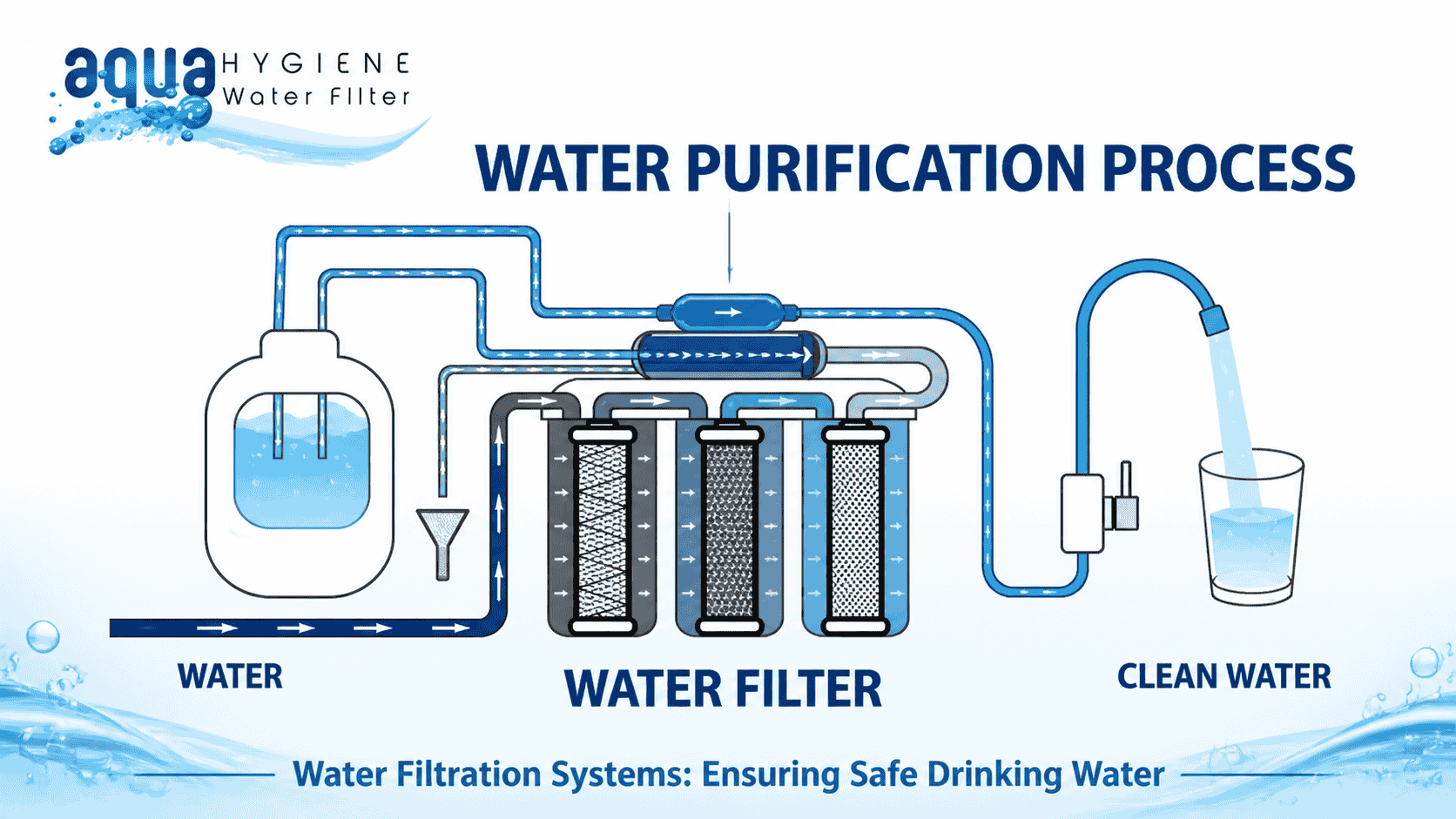
Many cafes and shops employ filtered water to obtain water suitable for brewing coffee. Several water purification methods can be utilized based on tap water quality. Although it provides pure water, water distillation removes all minerals, potentially affecting the taste. Carbon filters, such as those in water filter pitchers, effectively remove taste and odor.
- Water distillation is a suitable choice for accessing pure water, although it does result in the loss of minerals. Carbon fiber filters are effective for water that meets quality standards, providing a simple home-use solution. One such option is the Waterdrop PT-04 water filter pitcher, tested for lead reduction and product safety, offering a large filtration capacity and extended filter service life.
- Reverse osmosis (RO) is considered the most efficient filtration method for both commercial and home use. It is commonly used in coffee shops and university cafes for direct drinking water and beverage preparation. Reverse osmosis removes impurities and reduces TDS in water while maintaining the appropriate mineral content. The Waterdrop G2 MNR system, designed with a compact tankless design, effectively reduces TDS and impurities while offering an external remineralization filter to restore beneficial minerals.
6. Impact of Water Temperature on Coffee Extraction
Water temperature is a crucial factor in coffee extraction. Understanding how different temperature ranges affect extraction can help achieve optimal flavor. This section explores the relationship between water temperature and coffee extraction, highlighting the ideal temperature range for brewing a perfect cup of coffee.
7. Importance of Water Cleanliness in Coffee Brewing
Water cleanliness goes beyond taste. It also affects the overall quality and safety of the brewed coffee. This heading discusses the significance of using clean water for brewing coffee, emphasizing removing contaminants, chemicals, and impurities to ensure a pure and enjoyable coffee-drinking experience.
8. The Role of Chlorine and Chloramines in Water
Chlorine and chloramines are commonly found in tap water due to treatment processes. These compounds can impact the taste and aroma of coffee. This section explores the effects of chlorine and chloramines on coffee flavor and discusses methods for removing them to enhance the quality of brewed coffee.
9. Exploring the Influence of Mineral Content on Coffee Taste
Apart from hardness, the mineral content in water can significantly impact coffee flavor. This heading delves into the role of specific minerals such as calcium, magnesium, and potassium in coffee extraction, highlighting their effects on acidity, sweetness, and overall taste.
10. Specialty Water for Specialty Coffee
In the world of specialty coffee, attention to detail is paramount. This section focuses on specialty water, which aims to provide the perfect balance of minerals and pH for the most exquisite coffee flavor. It explores specialized water recipes, custom water blends, and the growing trend of using specific water formulations to enhance the flavor profiles of specialty coffees.
11. The Art of Water and Coffee Pairing
Water and coffee pairing is gaining recognition as a way to enhance the coffee-tasting experience. Like wine pairing, different coffees may benefit from specific water profiles. This heading delves into the concept of water and coffee pairing, highlighting how specific water characteristics can complement and elevate the unique flavors of different coffee varieties.
12. Experimenting with Water Profiles
For coffee enthusiasts and professionals alike, experimenting with water profiles can be an exciting and educational journey. This section encourages readers to explore various water profiles, adjust water hardness, pH levels, and TDS, and observe the impact on coffee flavor. It guides how to conduct water experiments and encourages curiosity and discovery in pursuing the perfect cup of coffee.
Conclusion
While investing in advanced coffee machines and premium beans is essential, paying attention to the impact of water quality on the final taste of coffee can be a missed opportunity. Understanding the influence of water pH, hardness, and TDS on coffee flavor allows coffee enthusiasts to refine their brewing techniques and enjoy a truly exceptional cup of coffee.
By following recommended brewing water standards and utilizing appropriate water purification methods, you can unlock the full potential of your coffee beans and savor a delightful coffee experience.